Owner gets a call. Somebody's living in the vacant rental on the south side. Been there about three months. The question that follows is the one we hear roughly twice a month from Alberta owners: can they actually claim my house?
Short answer: no. Not in Alberta. Not on registered land, which is essentially every residential property in the province.
That settled, the harder question is what to do next — because removing the person is its own process, and selling a property with someone inside changes the math in ways most owners don't see coming.
Adverse possession's been dead here for decades
Alberta runs a Torrens land titles system. Title registered with Alberta Land Titles is conclusive. Nobody acquires your house by length of occupation, ten years or fifty, intact roof or kicked-in door. That old doctrine — adverse possession, the actual legal name for "squatters rights" — applied to common-law registry systems that Alberta's residential land hasn't worked under for a long time.
Compare Ontario, where some old never-converted Registry-system parcels could in theory still support a narrow claim. Rare even there. Effectively impossible here.
So the "they'll own my house" fear that starts the calls — set it aside. The legal claim isn't the real problem.
What "squatters rights" actually means around here
When people say squatters in an Alberta context, they usually mean one of three different situations, and the law treats each one differently.
A pure trespasser walked into your vacant property and is living there. Maybe broke in, maybe found a door someone forgot to lock. They have zero ownership claim. The remedy runs through trespass — civil enforcement through the courts, or in some cases police treating it as criminal trespass under the Trespass to Premises Act. Available, but not instant. Bailiffs run on bailiff time.
A tenant whose lease ended or who stopped paying is overstaying. They're not a squatter. They're a tenant in arrears, governed by the Residential Tenancies Act, SA 2004, c. R-17.1, and the path runs through RTDRS (Alberta's Residential Tenancy Dispute Resolution Service) or the Court of King's Bench. RTDRS is the faster lane on most files. We walk through that posture in detail on the tired-landlord page.
A former partner, roommate, or relative who outstayed welcome is usually the trickiest. Their initial entry was lawful. Permission has been withdrawn. The remedy is still civil, usually a notice followed by court enforcement if they refuse, and the process can drag for months on a contested file.
The legal categories matter because the wrong notice on the wrong category gets the application dismissed. Clock restarts.
How an occupant kills a normal sale
Listing a property with someone inside — squatter, holdover tenant, former relative — is hard. Three reasons, all connected.
Showings don't happen. Hostile occupants don't cooperate with scheduled access. Even with a court order in hand, scheduling against resistance eats weeks.
Insurance binds get complicated. Insurers underwrite based on occupancy status. A property with active removal proceedings sits outside standard underwriting on most carriers.
Lender appraisals stall. The appraiser can't access what the occupant won't open. And many won't sign off on a property with unresolved occupancy disputes attached, even when access works.
The combined effect: a listing for a contested property either sits, or it sells at a steep discount when it finally moves. The buyer who can actually close on this kind of file is almost always a cash investor with the legal capacity to handle removal after closing. That's the file pattern our tired-landlord page handles routinely, and it overlaps with vacant-home files when the squatter problem followed a stretch of unoccupancy.
The vacant-property trap
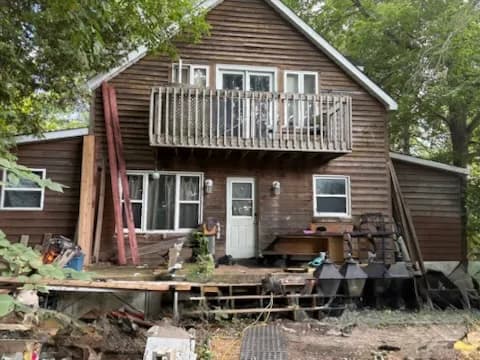
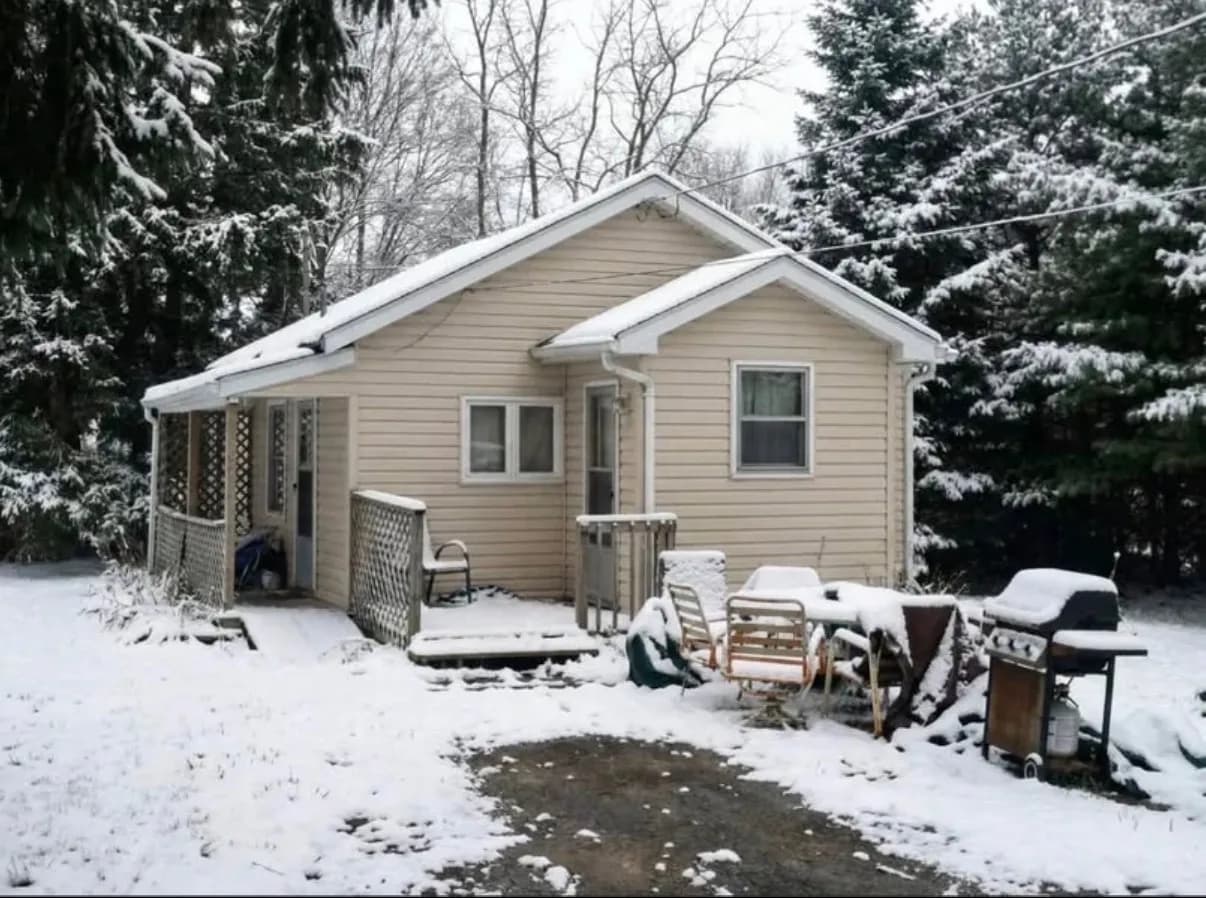
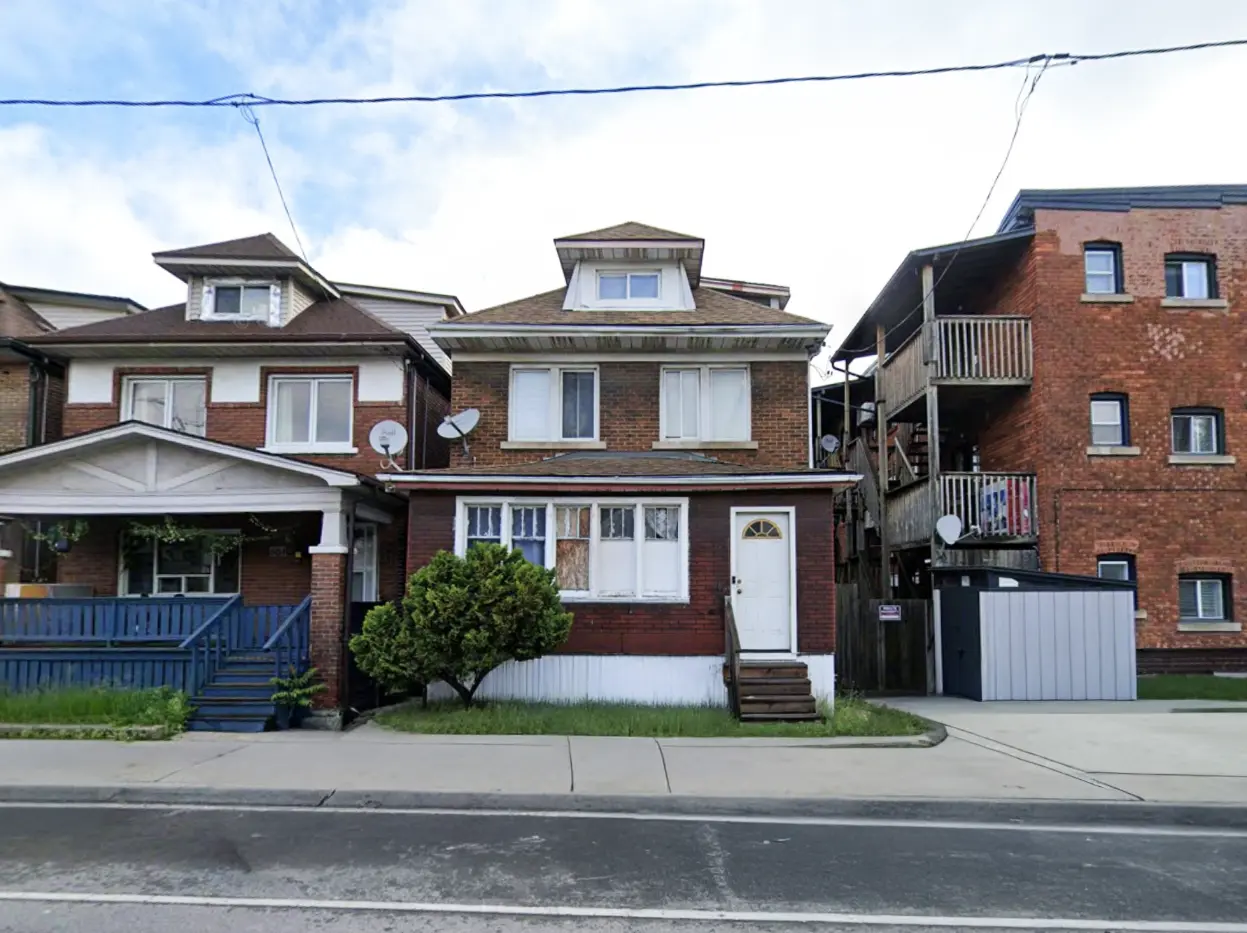
Most Alberta squatter stories don't start with a forced entry. They start with a house nobody's watching. Parent moved into care six months ago. Probate file is dragging. Owner moved out of province in February and hasn't been back.
Once someone's inside, the cost and time to remove them runs into the thousands and several months on a clean file. Contested files run longer.
Beyond squatters, vacancy alone affects insurance. Most Alberta home policies impose a 30-day vacancy threshold, after which standard coverage may be void or restricted. A vacancy permit or vacant-home rider through a specialty insurer is the standard response, and it costs meaningfully more than regular coverage.
For Alberta owners in Edmonton, Calgary, or Red Deer sitting on a vacant property and worrying about either squatters or the carrying costs, a direct sale closes the file faster than vacancy can compound.
What this isn't
Not legal advice. Removal proceedings, tenancy disputes, and trespass remedies all turn on the specific facts of the file: nature of the occupancy, what documentation exists, whether police involvement is appropriate. Talk to a real estate lawyer (or, where the occupant is a tenant, a lawyer who actually does residential tenancy work) before taking action.
Getting a number
If you're holding an Alberta property with a squatter, a tenant who won't leave, or a vacant home you're nervous about, our tired-landlord page walks through the tenanted-sale mechanics in detail. Submit the property and you'll have a written cash offer back within 24 hours. We close as-is, with the situation as-is — the removal piece becomes our problem after the deal closes. For full Alberta coverage, the Alberta hub lists every market we buy in.