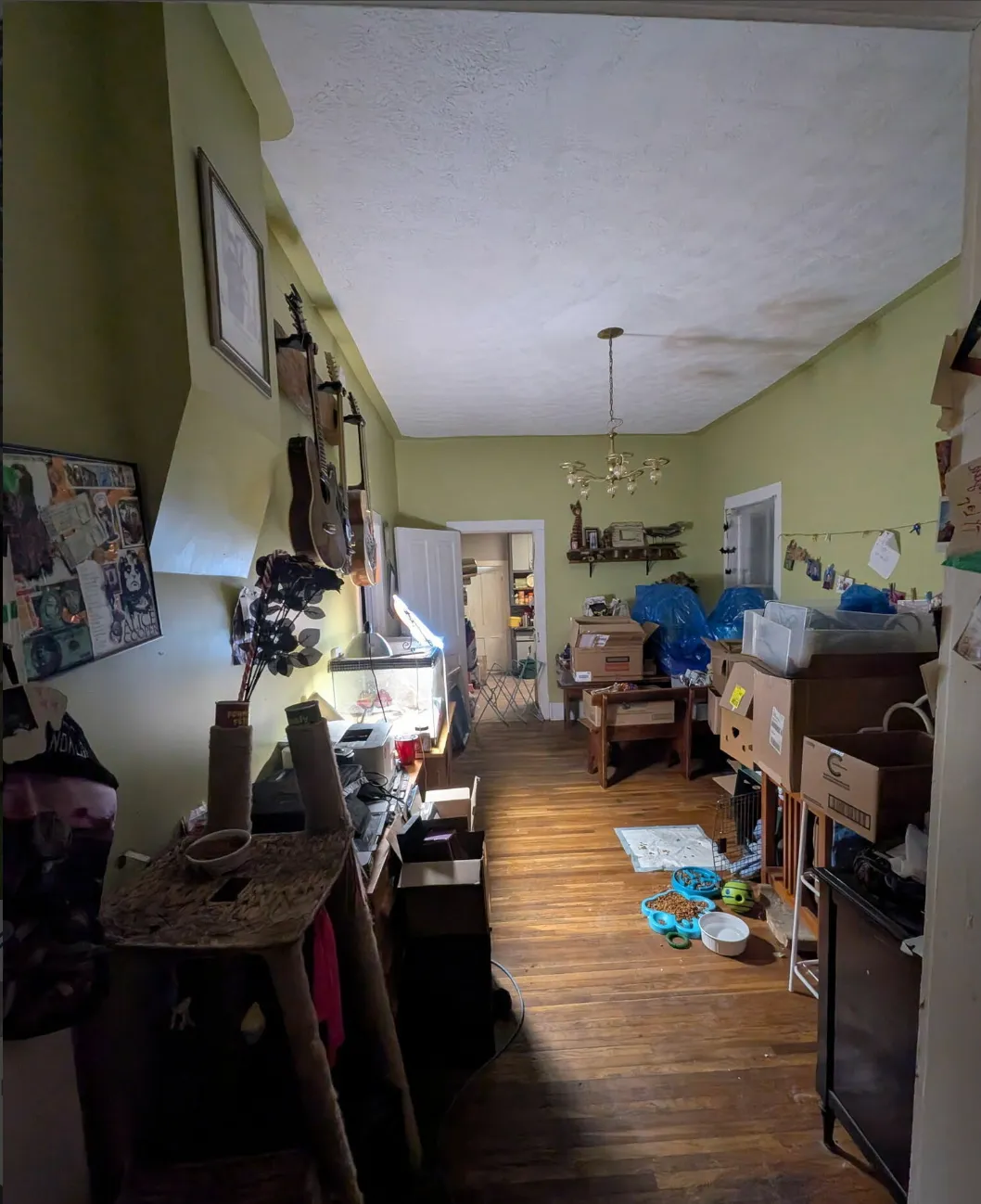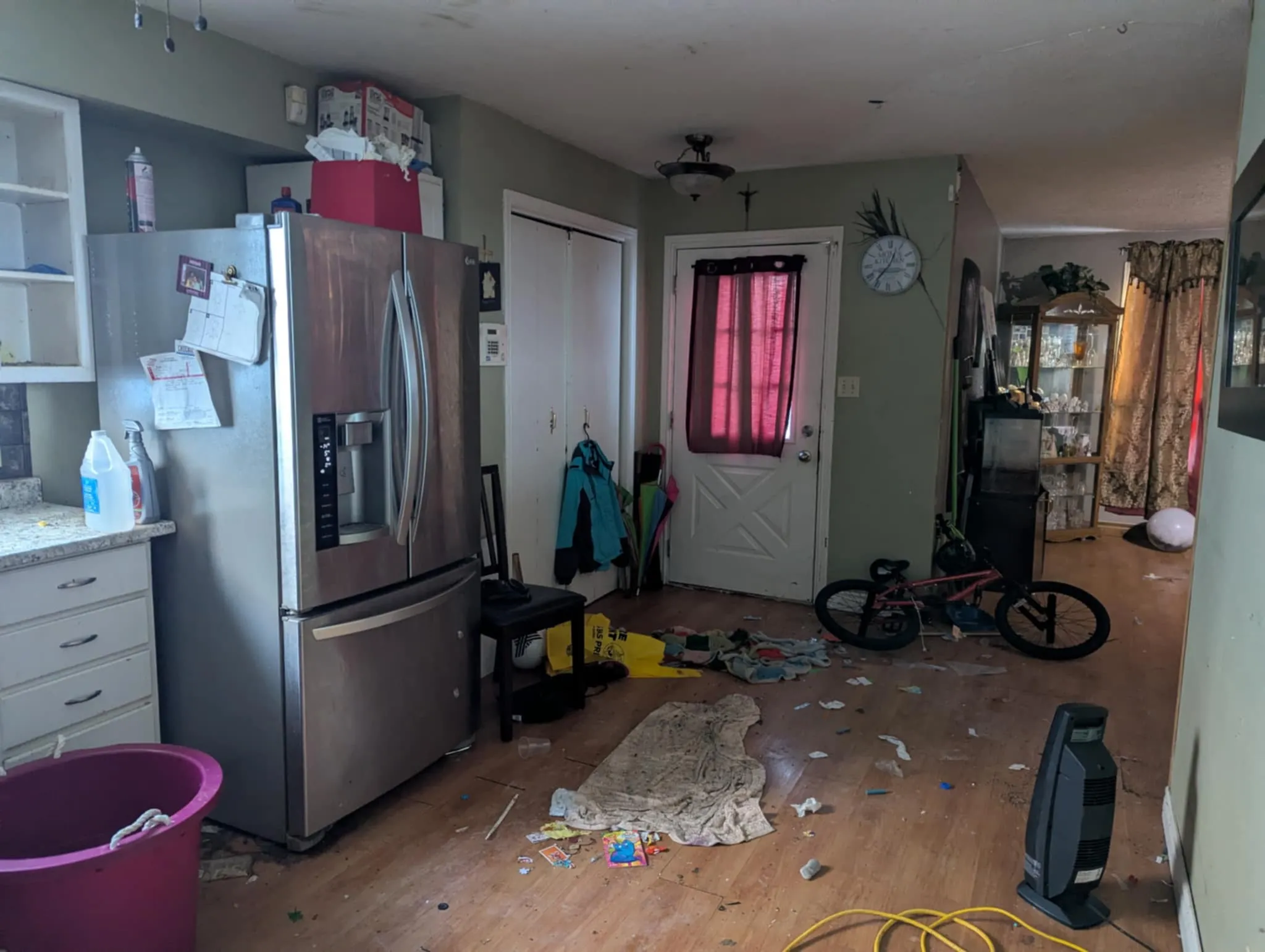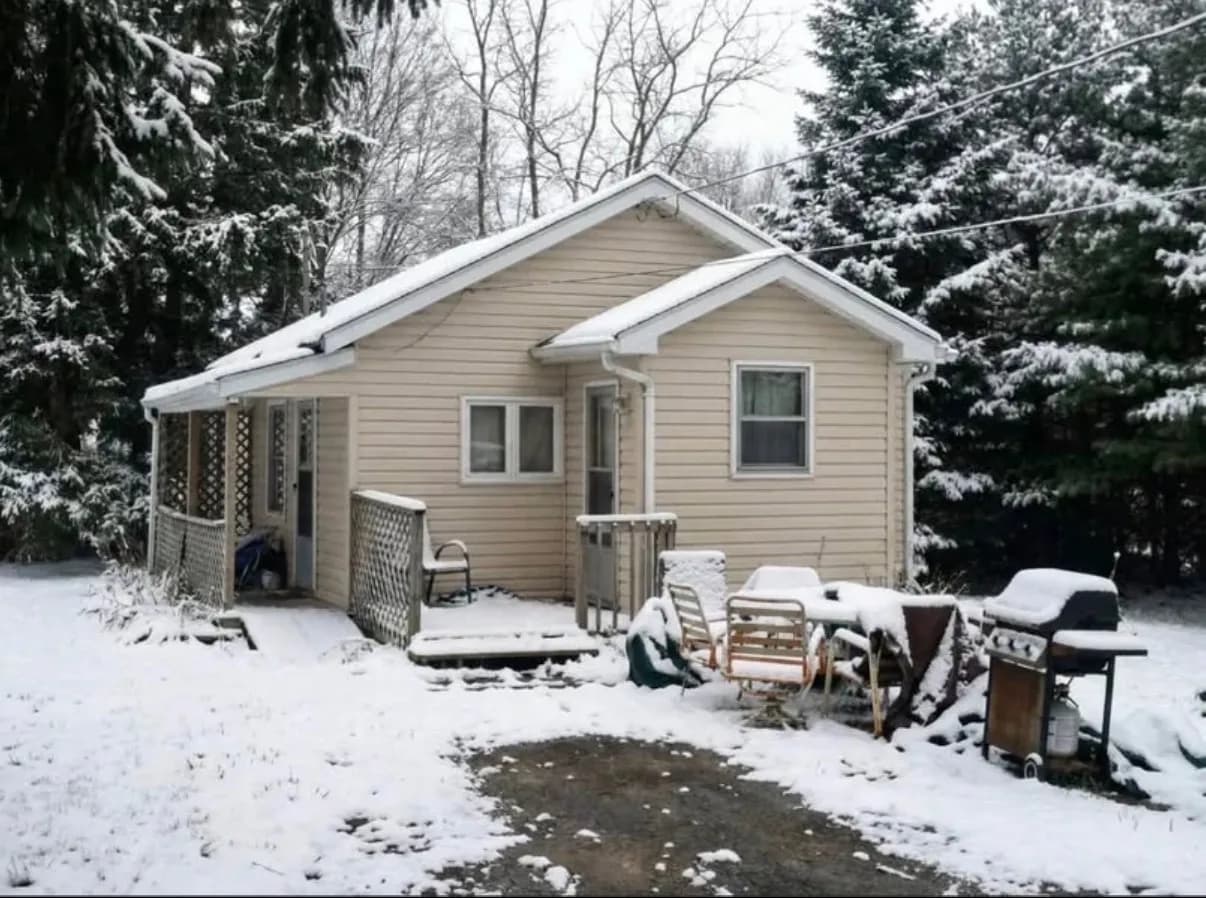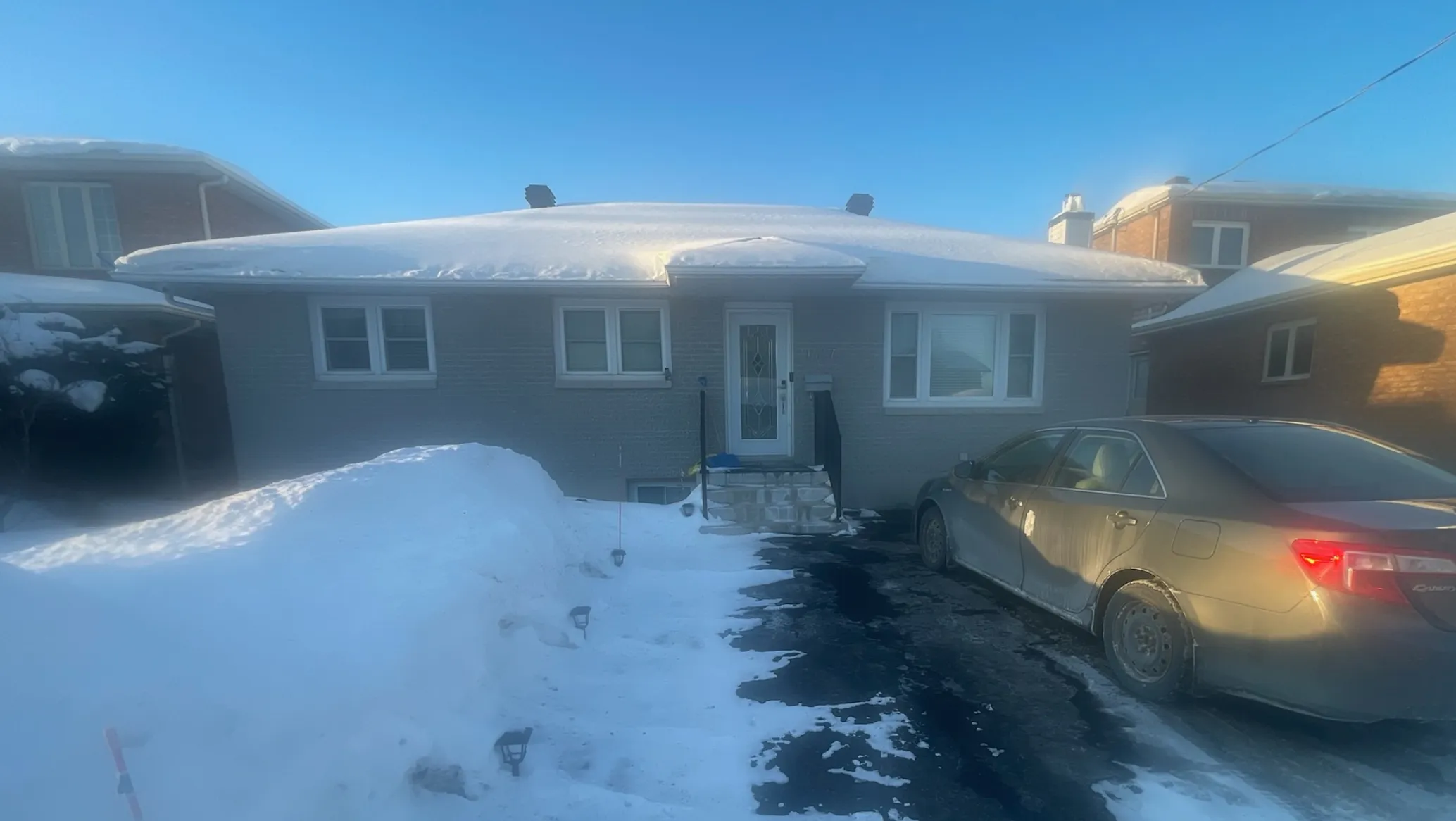
Edmonton's mature housing supply has an asbestos problem most owners only find out about when a buyer's inspector pulls back a floorboard. A 1958 Strathcona bungalow. A wartime house up in Norwood. A 1971 split on the west end. Pre-1990 builds in this city carry somewhere between zero and four asbestos-containing materials on any given day, and any one of them is enough to tank a financing-conditional MLS sale.
This piece walks through where it actually lives, what removal costs in Alberta, and how the math works when you compare fixing it first against selling as-is.
Where it actually lives in an older Edmonton home
The materials that show up most, roughly in the order an inspector finds them:
Vermiculite attic insulation. Small light brownish pellets, kind of pebbly. Most of the vermiculite that landed in Canadian attics from the 1940s through the 1980s came from one mine in Libby, Montana — Zonolite brand — and it's contaminated with tremolite asbestos. If your attic insulation looks like coarse gray-brown sand rather than pink fibreglass, it's probably Zonolite. This is the single most common finding in Edmonton's mature-neighbourhood bungalows, especially through Strathcona, Norwood, Riverdale, Killarney, Beverly.
Pipe wrap insulation. White or grey, sometimes cloth-covered, wrapped around basement steam or hot-water pipes. Common in pre-1980 builds. Often friable. Crumbles when you bump it.
Floor tile and adhesive. 9-inch vinyl asbestos tile (VAT) and the black mastic underneath. Standard in 1950s through 1970s basements, kitchens, bathrooms.
Popcorn and stippled ceilings. Sprayed-on textured ceilings. Asbestos was phased out of the spray mix by the late 1970s but still present in earlier applications.
Drywall joint compound. Some pre-1980 muds contained asbestos for fire resistance. Less commonly flagged, more common than people expect once they look.
Asbestos cement. Vermiculite-and-cement furnace flue panels, exterior siding (transite), some interior partitions.
Whether any of this counts as a "problem" depends on condition. Intact and undisturbed, asbestos in good shape generally isn't a health risk while it stays that way. Disturbed during renovation, damaged by a leak, cut into for a new bathroom — that's when it matters.
What the work actually costs
Costs vary widely by scope. These ranges are illustrative; get a written quote from a certified Alberta abatement contractor for any specific property.
Single popcorn-ceiling room: a few hundred to a couple of thousand dollars.
Basement pipe insulation: commonly $1,500 to $5,000.
Vinyl asbestos floor tile (one room, one floor): a few thousand.
Vermiculite attic abatement (whole house): commonly $10,000 to $30,000+. Often the most expensive single item on the list.
Whole-house multi-material abatement: easily $25,000 to $50,000+ depending on what's present.
A certified abatement contractor handles sampling, lab confirmation, containment, removal, waste disposal, and post-work air clearance testing. For vermiculite removal, the attic still needs new insulation installed afterward, which adds several thousand more.
What happens on MLS when it gets found
Standard failure pattern on a conditional MLS sale, in five steps:
- Buyer's home inspector identifies suspect material (or just sees the vermiculite in the attic on the walkthrough).
- Sample goes for lab confirmation. Result comes back positive.
- Buyer's lender pulls the file pending remediation or appraisal write-down.
- Buyer's insurer flags coverage exclusions or refuses to bind without abatement.
- Buyer either negotiates a five-figure credit off the price, asks the seller to remediate first, or walks.
Asbestos doesn't make a home unsellable on MLS. But the negotiating leverage swings almost entirely to the buyer. Discounts of $15,000 to $30,000 against the listed price are common even on properties where actual abatement cost runs lower — buyers pricing in risk margin and inconvenience. That's the file pattern our major-repairs page is built around, and a frequent end-state for properties that started on a listing that didn't close.
The disclosure bind
Alberta is a caveat emptor jurisdiction. The Property Disclosure Statement form is optional. Sellers don't have to volunteer information beyond what common law requires — the duty to disclose latent defects. Hidden defects that would make the property dangerous or uninhabitable, that the seller knows about, and that the buyer couldn't reasonably discover on inspection.
Vermiculite visible in the attic is patent. Friable pipe wrap behind a finished basement wall the seller knows about — closer to latent. The distinction matters: a known, concealed asbestos hazard exposes the seller to a post-sale lawsuit. A visible material the buyer's inspector saw and chose to overlook does not.
The asymmetry is what makes this hard. Disclose extensively on a listing and you collapse the financing route. Don't disclose and you expose yourself to claims later. A direct cash sale, where the buyer takes the property explicitly as-is knowing the asbestos situation, removes the bind.
When selling as-is wins on the math
The honest comparison isn't to "what this house sells for fully remediated." It's to "what we net after abatement cost (or buyer's negotiated credit), four months of carrying cost, and the eventual sale at the discounted price."
Worked through: an Edmonton bungalow needing roughly $20,000 of abatement might list at $375,000, drop to $345,000 conditional, finalize at $320,000 after inspection findings. After commission, three months of carrying cost, and the abatement credit, the net to the seller often lands near $290,000. A direct cash offer at $300,000 to $315,000 closing in 7 to 15 days, with the abatement risk transferred to the buyer, frequently exceeds that. (Illustrative numbers — actual offers depend on the specific property and current local market.)
What this isn't
Not legal, financial, or environmental-health advice. Asbestos handling in Alberta is regulated under occupational health and safety rules — DIY removal of vermiculite or other friable asbestos isn't advisable and may be prohibited depending on the work. Talk to a certified Alberta abatement contractor for the actual scope and cost on your file, and a real estate lawyer before signing any agreement involving known asbestos.
Getting a number
Sitting on an Edmonton or other Alberta home with confirmed or suspected asbestos and want to know what a direct cash offer would look like? The major-repairs walkthrough covers the file mechanics, and submitting the property gets you a written cash offer back within 24 hours. We buy as-is. Asbestos, vermiculite, and all. For full Alberta city coverage, the Alberta hub lists every market we serve.