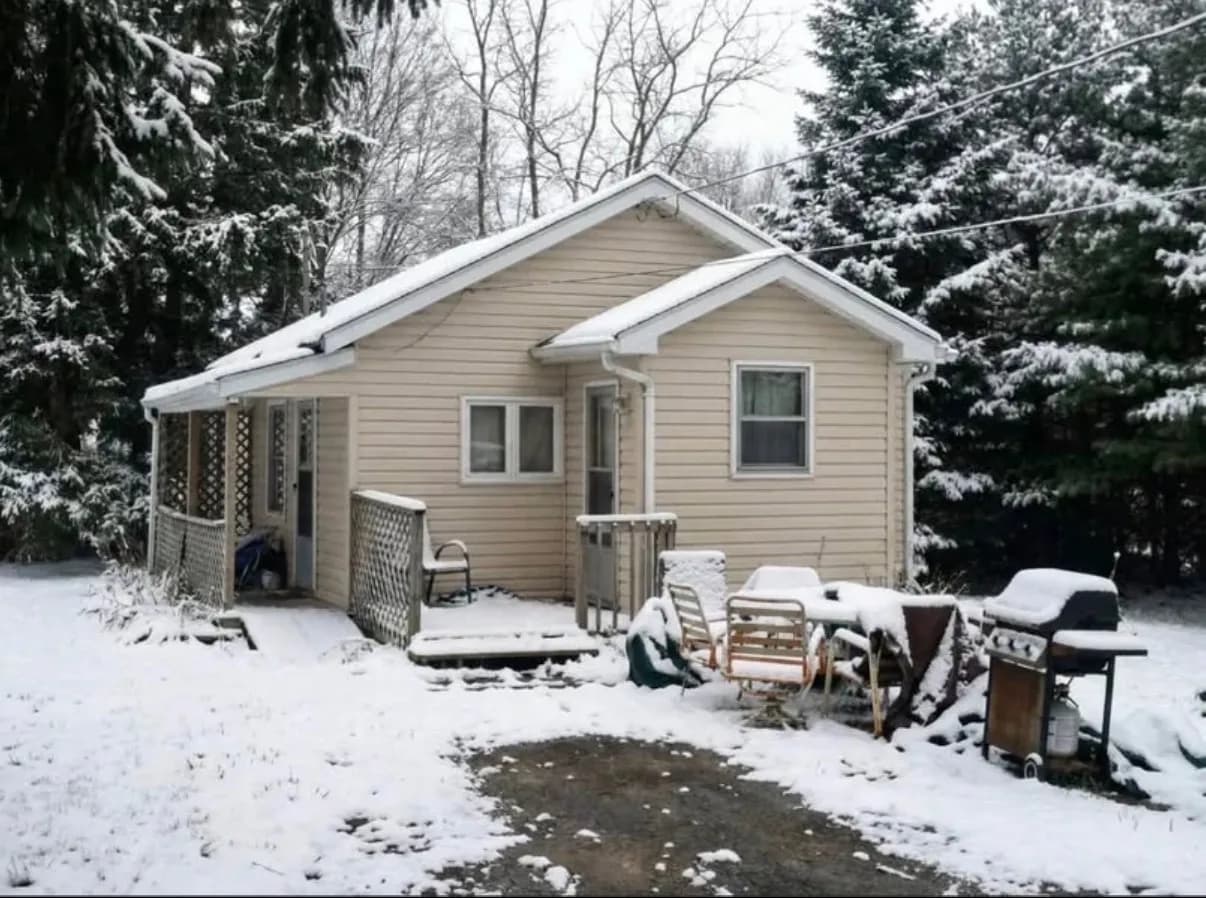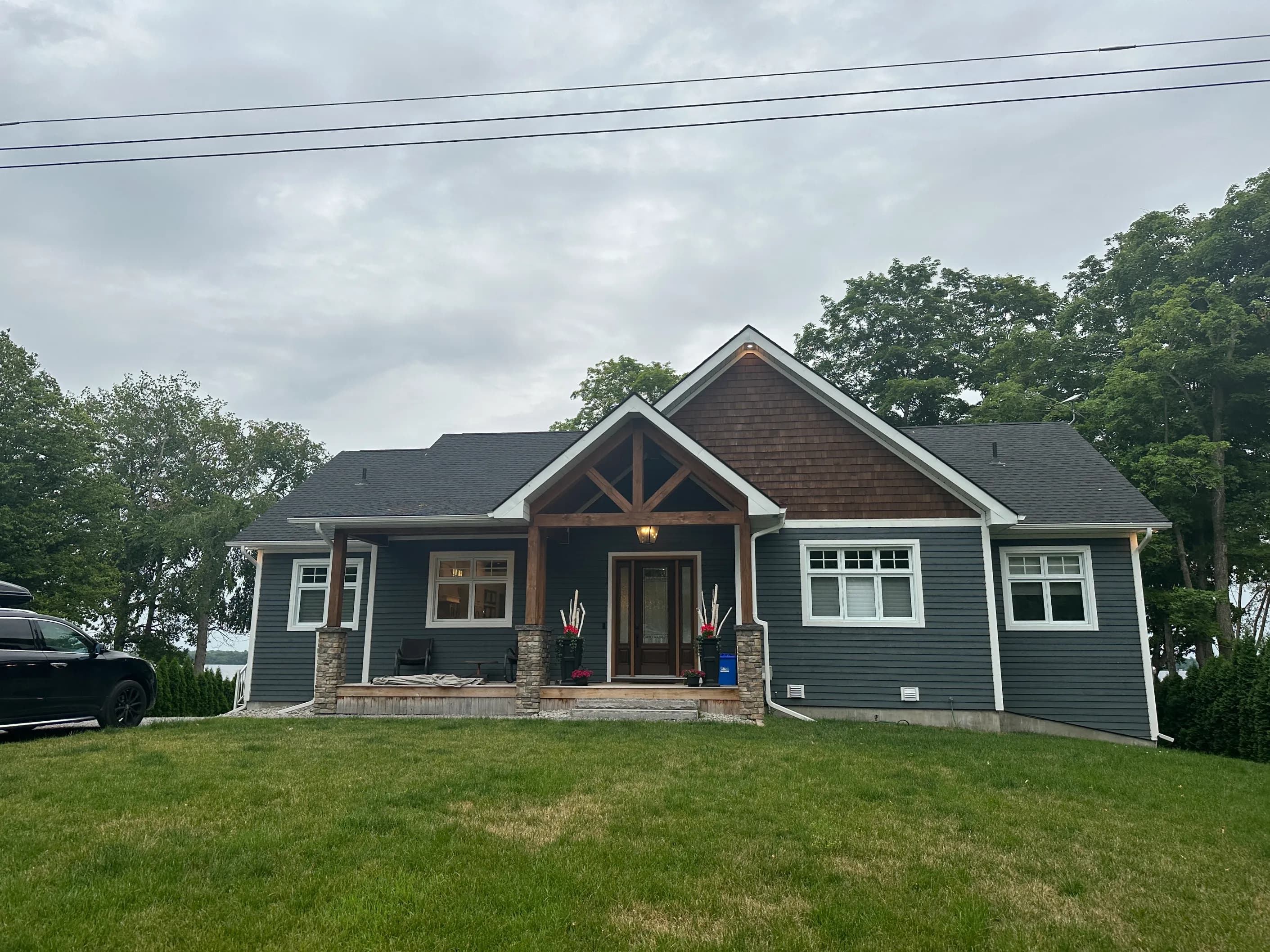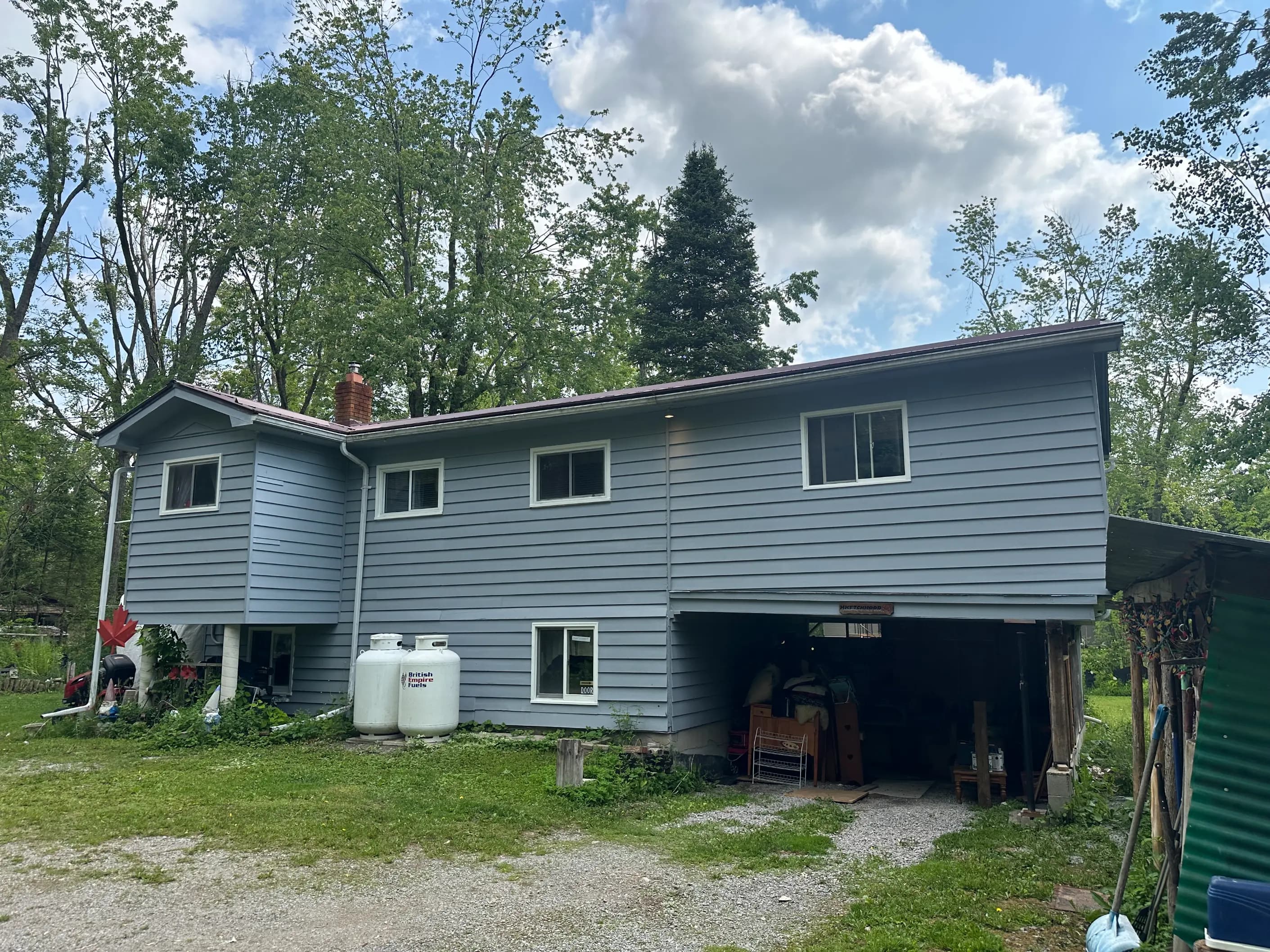
The most common reason a long-held family home gets sold in Canada has nothing to do with the housing market. Someone has died. An adult child — often living in another province, sometimes in another country — is now responsible for what happens to the family home. They've never sold a house before. The mortgage is still running. The property taxes are still due. The estate's lawyer is asking when probate will be filed.
This is the situation Cluster 1 in our keyword data refers to — 27,400 monthly Canadian searches for terms like inheritance tax canada, cost of probate ontario, inheriting a house with siblings, capital gains on inherited property. It's the single largest seller scenario across our network of city pages, and it's the one where the timeline pressure is least understood by sellers going through it for the first time.
Here's the plain-language version.
What probate actually is
When someone dies owning real estate in their name alone (not jointly), the property can't be sold or transferred until a court confirms two things:
- The will is valid (or, if there's no will, who the lawful heirs are)
- The person handling the estate is the lawful estate trustee (called executor in older language)
That confirmation is called a Certificate of Appointment of Estate Trustee in Ontario or a Grant of Probate in Alberta. Without it, the title-transfer registry won't process a sale.
This is the entire reason "I inherited my parents' house" doesn't translate to "I can sell tomorrow." Title is still in the deceased's name. The Certificate has to issue first.
Ontario probate timeline
In Ontario, probate runs through the Superior Court of Justice — Estates List. The estate's lawyer prepares the application, supporting affidavits, the will, and the inventory of assets. The Estate Administration Tax (commonly called probate tax) gets paid — currently roughly 1.5% of the estate's value above $50,000, owed when the application is filed.
From filing to issuance of the Certificate of Appointment of Estate Trustee, expect 6 to 16 weeks. The Estates List has its own backlog dynamics; rural courthouses sometimes run faster than Toronto.
A few things move in parallel:
- The mortgage doesn't stop. Monthly payments keep running. The estate is responsible.
- Property taxes keep accruing. Some municipalities offer a brief deferral; most don't.
- Insurance becomes complicated. Most home policies require coverage for a vacant property to be specifically extended — vacant-property riders cost 2 to 3 times standard premiums, and most policies lapse to no coverage after 30 to 60 days of vacancy without that extension.
- The home can be listed for sale during probate — but it can't close until the Certificate has issued.
The smart move is usually to start the marketing and offer process during probate so the sale closes shortly after the Certificate is in hand.
Alberta probate timeline
In Alberta, probate runs through the Court of King's Bench Surrogate matters under the Wills and Succession Act and the Estate Administration Act. The process is similar to Ontario's: application, supporting affidavits, will, inventory of assets, with the Grant of Probate being the final document.
Alberta does not charge an Estate Administration Tax. Court fees are nominal (a few hundred dollars depending on estate size). That's a meaningful difference for Albertan estates over $1M.
From filing to issuance of the Grant, expect 4 to 12 weeks — typically faster than Ontario, though specific files vary.
Property carrying costs run the same way during the Alberta process. The mortgage keeps running. Property taxes accrue. Vacant-property insurance coverage matters the same.
Capital gains on the inherited property
A frequent point of confusion: Canada does not have an inheritance tax. What Canada has is a deemed disposition at death — the deceased is treated as if they sold all their capital property the moment before death, and any capital gains realized are reported on the deceased's final return.
For real estate, this means:
- Principal residence: Usually exempt from capital gains under the Principal Residence Exemption (PRE). The full capital gain typically flows tax-free.
- Investment property / rental / second home / cottage: Taxable. The deceased's estate pays the capital gains tax. The cost basis for the beneficiary is the fair market value at the date of death, not the deceased's original purchase price.
This matters at sale time because:
- If you inherit a rental property and sell it shortly after probate, the gain (or loss) since the date of death is what you report. The deceased's accumulated gain has already been taxed on their final return.
- If you inherit a principal residence and later sell it, you may have your own capital gains issue depending on whether the home is your principal residence too.
Talk to an accountant before assuming anything. The CRA's rules on inherited capital property are unforgiving when they're wrong.
Why direct cash sales are common for inherited properties
A few things make inherited properties unusually well-suited for a direct cash sale rather than an MLS listing:
-
Geographic distance. The adult child handling the estate often lives in another province. Coordinating contractor visits, staging, showings, and contingent offers from 3,000 km away is exhausting. A cash buyer handles everything remotely — documents are signed by notary or video commissioning.
-
Property condition. Long-held family homes routinely carry deferred maintenance — older electrical (60-amp, knob-and-tube), older plumbing (galvanized, polybutylene), foundation movement on pre-1970 builds on clay-loam soil, oil tanks, asbestos in vermiculite insulation. Retail buyers' lenders flag any of these issues; cash buyers don't depend on retail underwriting.
-
Timeline pressure. Carrying costs (mortgage, property tax, insurance riders, utilities, snow removal, lawn maintenance) keep running until the property is sold. The estate's lawyer wants the file closed. The beneficiaries want their distributions.
-
As-is sale. No need to paint, fix, declutter, or stage. The home sells in its current condition — including with the contents intact if needed.
A typical inherited-property cash sale lines up like this: the executor reaches out during probate; we issue a written cash offer within 24 hours; the sale agreement is signed; the sale closes 7 to 15 days after the Certificate / Grant issues. The estate's lawyer handles the closing through a licensed Ontario or Alberta real estate lawyer.
What this isn't
This isn't legal, financial, or tax advice. Probate procedures vary by court location, specific files turn on specific facts (whether the will is properly executed, whether assets are held jointly, whether the deceased had a Trust), and capital gains on inherited property is genuinely accountant terrain.
What this is: an honest map of how the probate timeline runs in Ontario and Alberta, where the costs accrue, and the order of operations adult children handling a parent's estate most often need to understand.
If you're in this situation and want to know what a cash offer on the inherited property would look like, the inherited property / probate situation page walks through the file mechanics in detail, and you can submit the property for a written cash offer back within 24 hours.