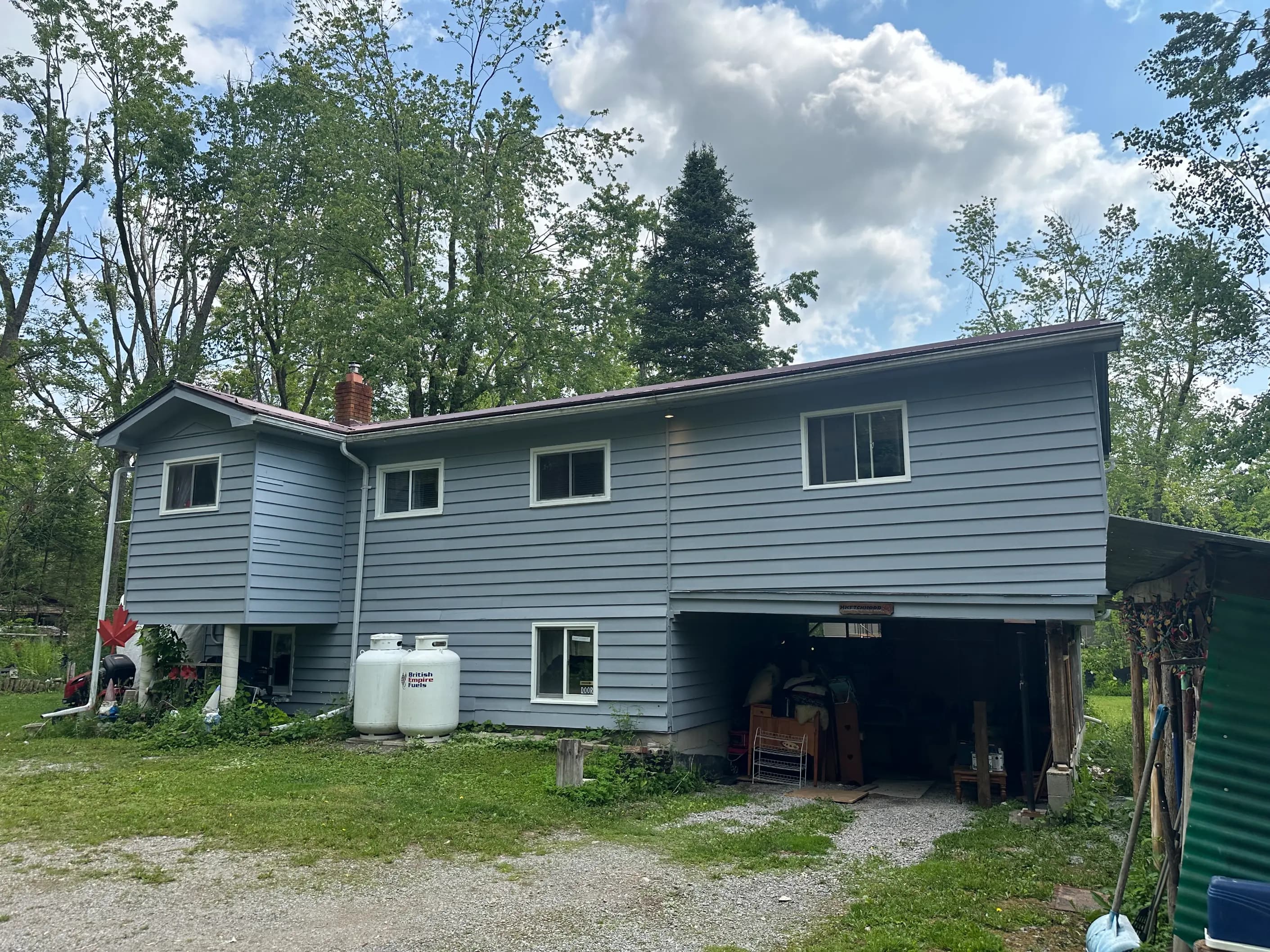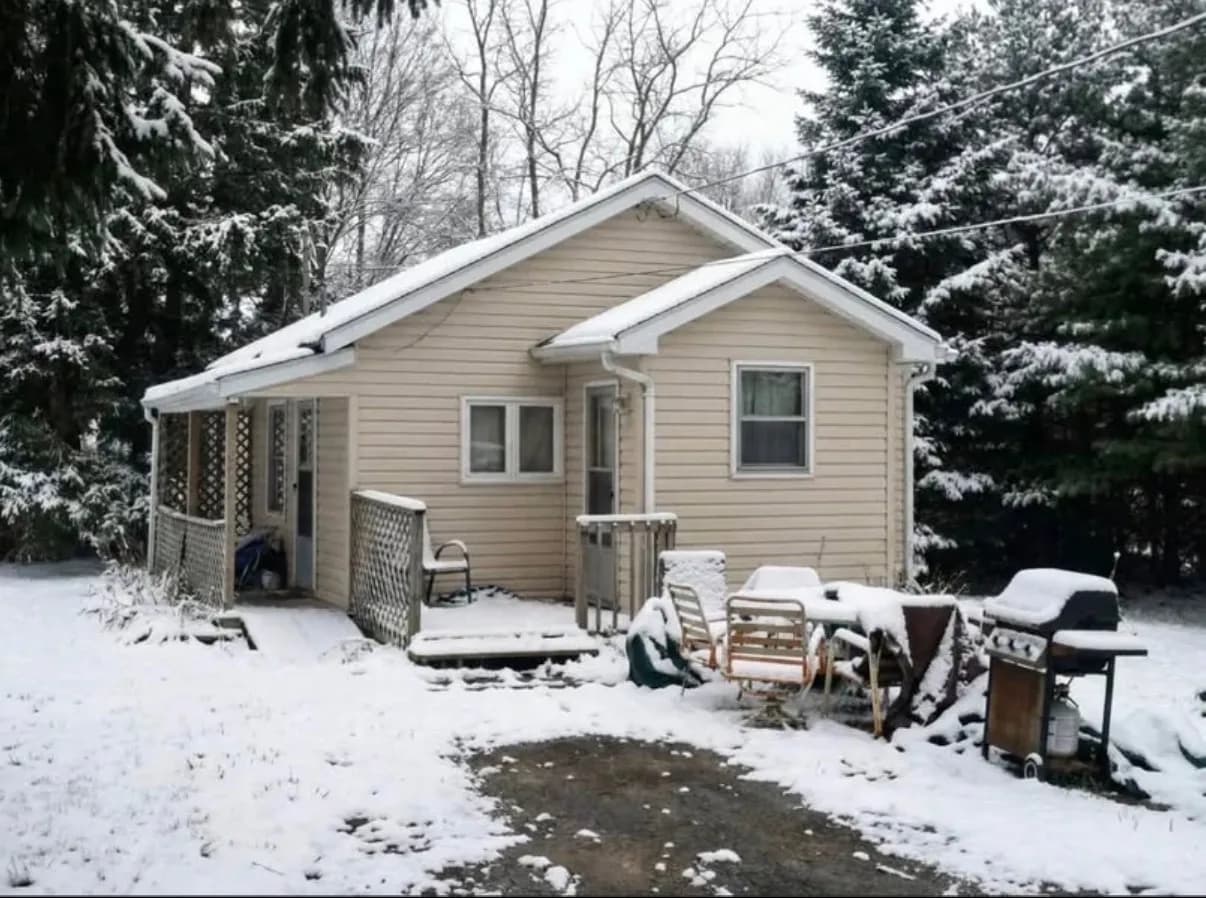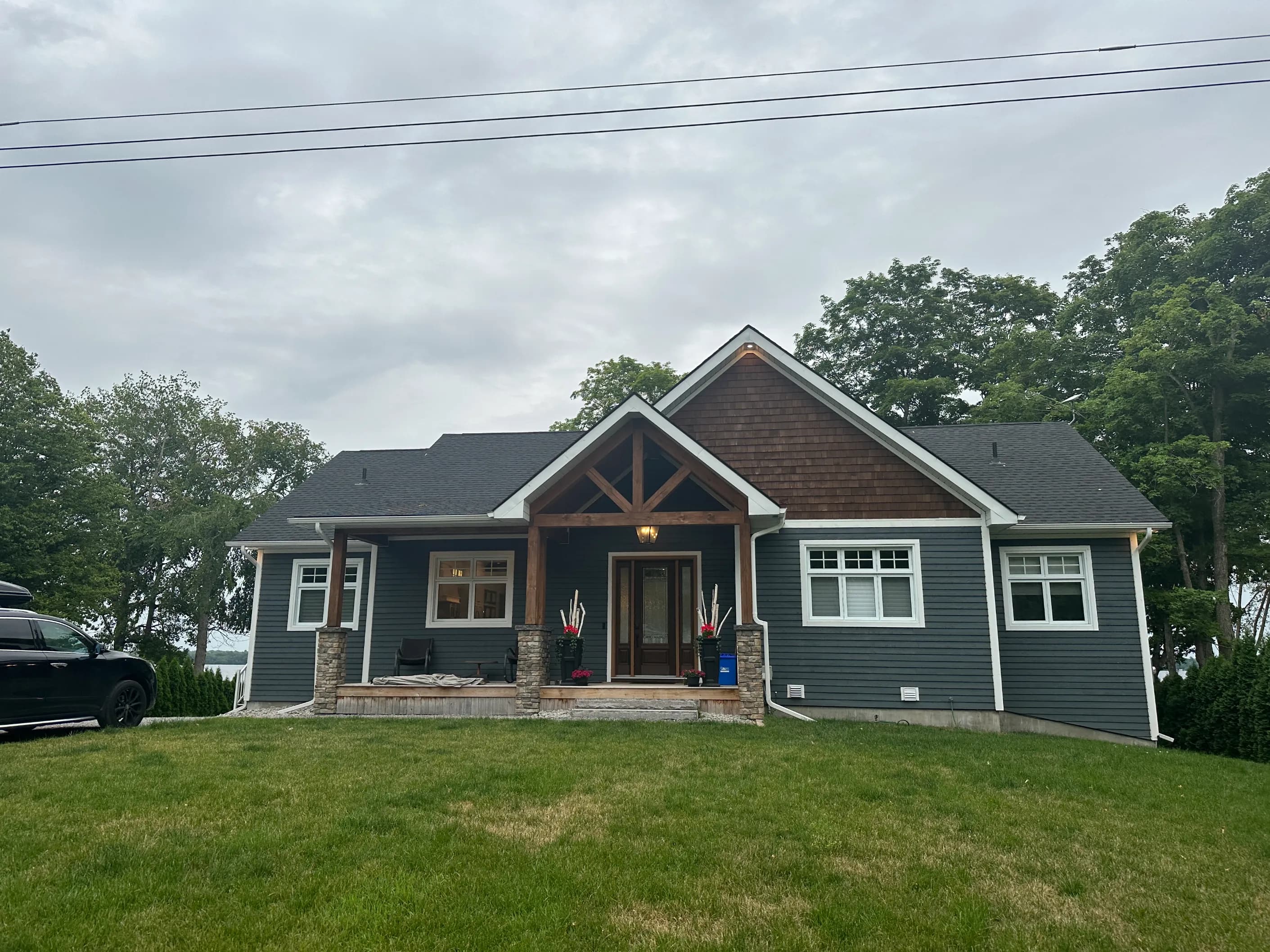
Mom passes in late February. She owned a semi on the east side of Toronto she'd lived in for thirty-two years. The kids are scattered — one in Vancouver, one in Mississauga, one local. None of them want to keep the house. The question becomes: what's the actual sequence of getting it sold, in what order, and how long does each step take?
This is the Ontario-specific version of an estate sale, with Toronto market dynamics layered on top.
Ontario probate basics
Ontario doesn't actually use the word "probate" in current legislation. The technically correct term is Certificate of Appointment of Estate Trustee — the document issued by the Ontario Superior Court of Justice (Estates List) that gives the executor (or, when there's no will, the administrator) formal authority to act.
The application gets filed with the court. Supporting documents include the original will (if there is one), affidavit evidence, a list of assets and their values, and the application form itself. Lawyers prepare these. Filing fees apply.
The court reviews and, on a clean file, issues the Certificate. Processing times vary by region. In Toronto, the Estates List typically issues Certificates 6 to 16 weeks from filing, sometimes faster, occasionally longer on complex or contested files.
Without a Certificate, the estate trustee usually can't sell real property in Ontario. The Land Registry won't accept the transfer.
Estate Administration Tax — the 1.5% above $50,000
This is the big provincial cost on Ontario estates that Alberta doesn't have. The Estate Administration Tax (EAT) is calculated on the total value of estate assets, with a small exemption for the first $50,000.
Current rate (as of 2026): roughly $15 per $1,000 of estate value above $50,000. About 1.5%.
On a $700,000 estate: roughly $9,750 in EAT.
On a $1.2M Toronto estate (typical of an east-end or west-end semi after thirty years of appreciation): about $17,250.
EAT is paid up front when the Certificate is applied for. Even before the estate has been liquidated. For estates that are house-rich and cash-poor, this can be a real timing issue — the executor sometimes has to bridge with personal funds or short-term financing.
Joint tenancy versus sole title — what changes
If the matrimonial home was held in joint tenancy with right of survivorship, it passes to the surviving spouse outside the estate. No EAT on that portion. No probate required. A death certificate plus a survivor's affidavit, filed with the Land Registry, transfers title.
Sole title (often the case after the first spouse has already passed, or for someone who never married) means the property is in the deceased's name alone, must go through probate, and EAT applies on its value.
Joint tenancy with adult children sometimes shows up as an estate planning strategy. It works but has tax consequences during the parent's lifetime and can introduce family complications later. Talk to an estates lawyer before restructuring title.
Selling the property from the estate
Once the Certificate of Appointment is in hand, the estate trustee:
- Lists the property (or sells direct to a cash buyer)
- Signs the agreement of purchase and sale in their capacity as estate trustee
- Closes through an Ontario real estate lawyer
The transfer document gets prepared as "Estate of [Deceased], by [Trustee Name], Estate Trustee." Title moves from the estate to the buyer. Proceeds go to the estate trust account held by the lawyer until distributed.
A direct cash sale closes in 7 to 15 days from accepted offer. An MLS listing on a vacant inherited Toronto property commonly runs 60 to 120 days, often longer if the home needs work or has been empty for a year.
Toronto market dynamics that affect timing
Toronto's distinct from the rest of Ontario in two ways that matter for estate sales.
Volume of inherited properties. Toronto's east and west ends are full of homes bought in the 1960s, 1970s, and 1980s by owners now in their 80s and 90s. As they pass or move into care, the inheritance flow is heavy. The supply of inherited homes coming to MLS is steady.
Wide price dispersion. A 1950s semi in East York can list anywhere from $850K to $1.4M depending on condition. Estate properties often need work after decades of deferred maintenance, which puts them in the lower half of the range — where buyer pools are smaller and financing-conditional risk is higher.
We cover the Toronto-specific dynamics in detail on the Toronto market page. The general probate mechanics are on the inherited-probate page.
Capital gains on an inherited Toronto property
The principal-residence exemption applies to the deceased's principal residence for every year they owned it. If Mom lived in the semi for thirty-two years and it was always her principal residence, there's no capital gain at her death on the property's appreciation.
The estate then holds the property until sale. If the property's value goes up between date of death and date of sale, that gain accrues to the estate (and ultimately the beneficiaries) and is taxable. The cost base for the estate is the fair market value at date of death — usually established by an appraisal commissioned shortly after death.
For inherited rental property or cottages, principal-residence exemption doesn't apply and capital gains are owed at death. The capital-gains-rental page walks through those federal rules.
When a direct cash sale fits the file
Estate trustees who want speed, certainty, and out-of-province flexibility find cash sales fit well. The closing happens in 7 to 15 days. The trustee doesn't need to be physically in Toronto for showings. The estate stops carrying the property. Net proceeds land in the estate trust account ready for distribution.
Estate trustees with time, local market knowledge, and a property in genuinely good condition can do well on MLS. The listing path produces a higher gross sale but the carrying costs of estate timelines often eat the delta. The right answer depends on the specific file.
What this isn't
Not legal, financial, or tax advice. Ontario estate administration turns on the specifics of the will, the family, the assets, and the property. Talk to an Ontario estates lawyer about the Certificate of Appointment process and to an accountant about EAT, terminal tax, and capital gains exposure before listing or signing.
Getting a number
If you're an estate trustee for a Toronto-area inherited property and want to know what a direct cash sale would look like, submit the property and you'll have a written cash offer back within 24 hours. The inherited-probate page covers the Ontario probate mechanics, and the Toronto market page covers the local dynamics. For the rest of the province, the Ontario hub covers every market we buy in.