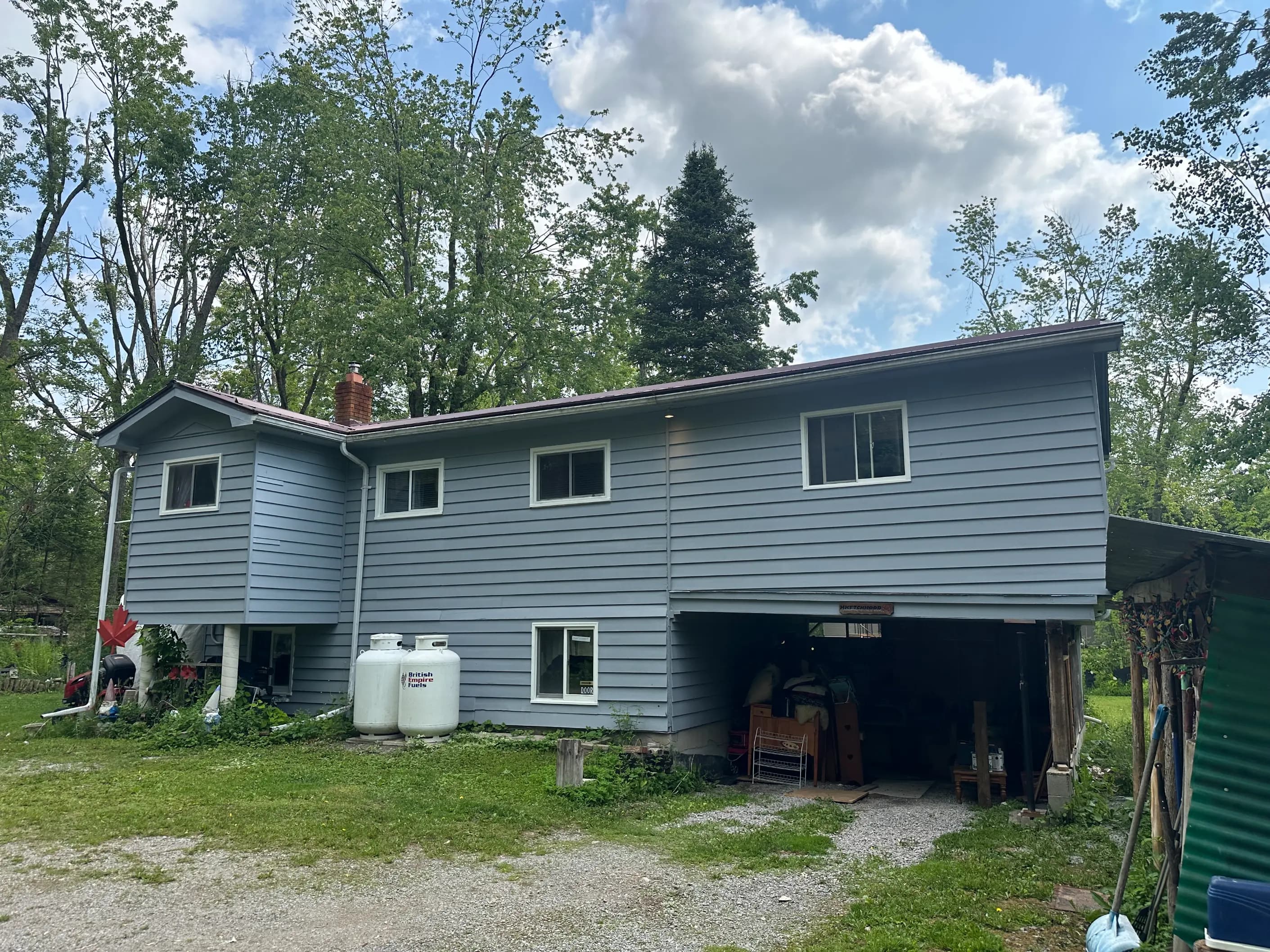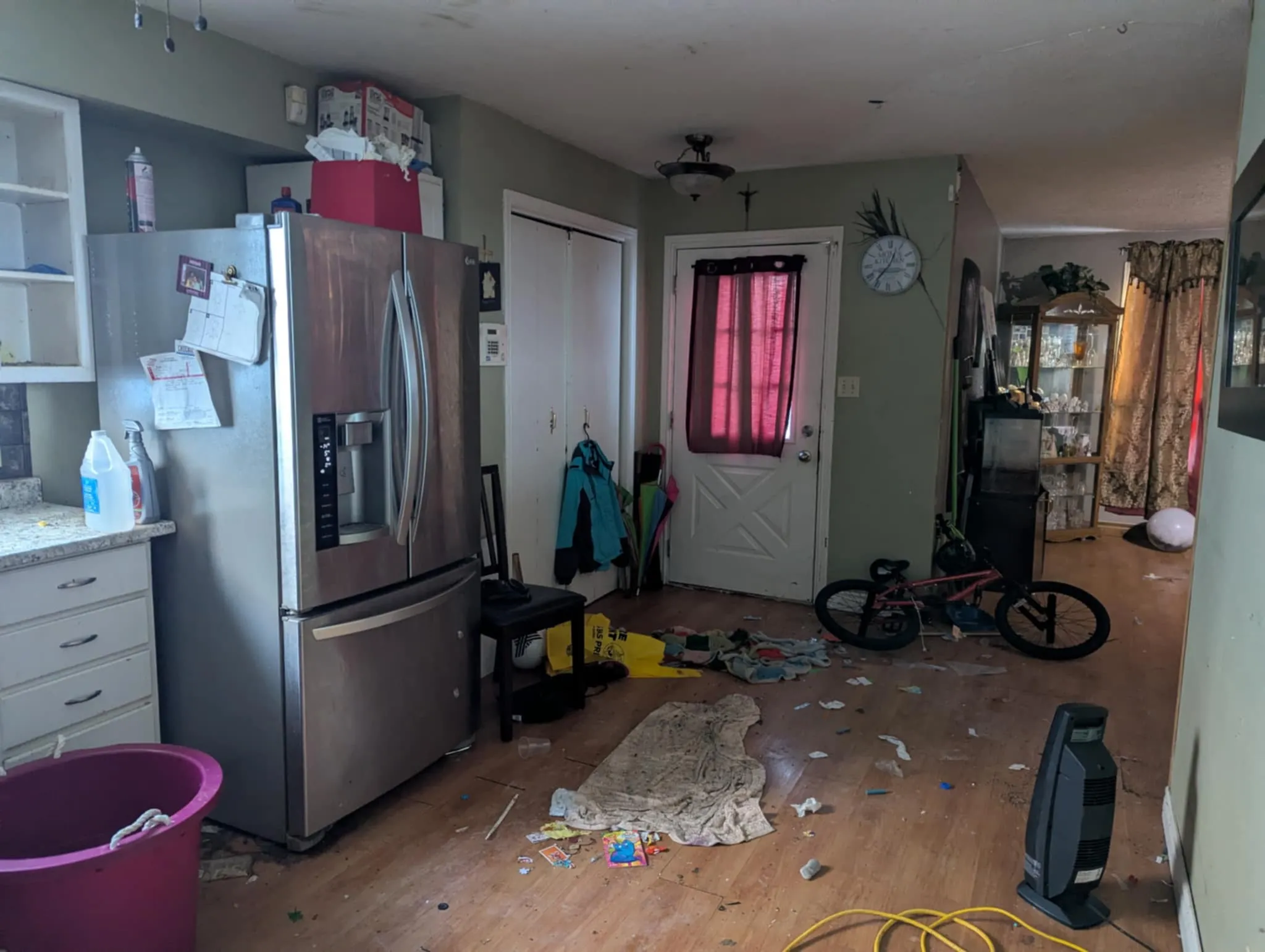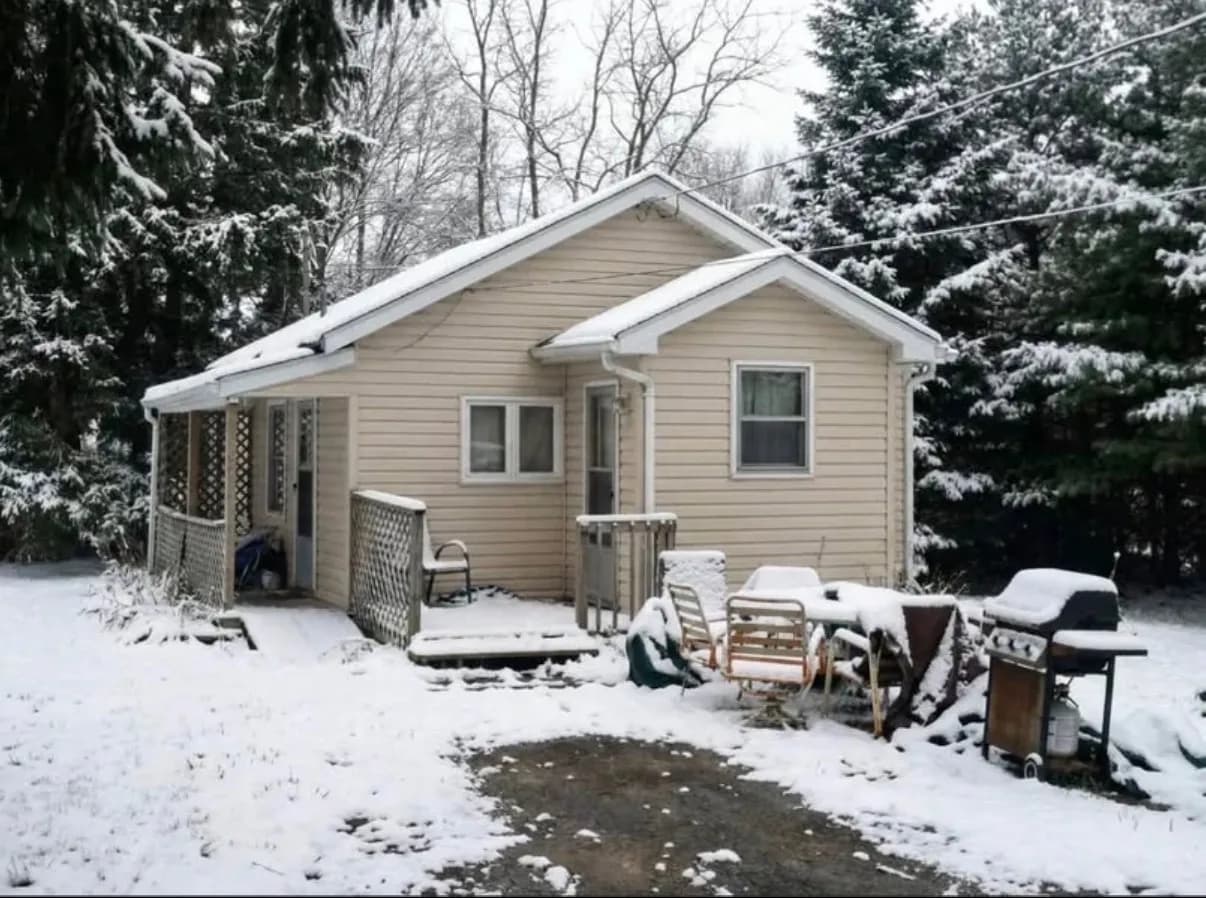
Grant of Probate landed in the mail. Or the email, depending on which lawyer's office processed it. The executor feels a wave of relief. Finally, the court approved it.
That feeling's premature. Probate granted is roughly the halfway point of administering an Alberta estate, not the finish line. The next 60 to 180 days are where most of the real work happens. Notifications, debts, the deceased's terminal tax return, dealing with the house, distribution. The house is usually the biggest piece of that puzzle.
Here's the practical sequence from grant to closed file.
What "grant granted" actually means
The Court of King's Bench reviewed the application, looked at the will (if there is one), confirmed the executor or administrator's standing, and issued formal authority. That authority gets attached to title transfers, bank account changes, registered investment redemptions — anything that needs proof you're the person with the right to act.
What it doesn't mean: the work is done. The grant is permission to do the work. Now the work begins.
Step 1 — Notify everyone
Banks, the deceased's employer (if there's a final paycheque or pension), Canada Revenue Agency, registered investment account holders, utility providers, the property tax department, home and auto insurers. Each one wants the grant attached to their notification.
Most executors underestimate this step. It's not legally hard but it consumes weeks of administrative cycle time. Calls. Email. Letters. Forwarding originals. Most institutions want the original or a notarized copy.
Step 2 — Take stock
Bank accounts. Investment accounts. Insurance policies with cash value. The house. Vehicles. Anything that can be valued. The executor needs a snapshot as of the date of death because the deceased's terminal tax return — the T1 covering the year up to death — depends on these numbers.
If the house wasn't the deceased's principal residence, capital gains may apply on the disposition. Our capital-gains-rental page walks through the federal rules on rental and recreational property.
Step 3 — Pay the debts
Funeral expenses, outstanding bills, credit cards, any line of credit. The executor pays these from estate assets before distributing to beneficiaries. Get it wrong — pay beneficiaries first, then find out a creditor was owed — and the executor can be personally liable for the shortfall.
The standard protection is a notice to creditors. Posted publicly (typically in a newspaper plus online). It gives unknown creditors a window to come forward. Without it, the executor's gambling on the completeness of the records.
Step 4 — Deal with the house
This is usually the biggest and slowest piece of an Alberta estate file. Three paths.
Sell the property. Most common when no beneficiary wants it. Sale proceeds go to the estate trust account and get distributed per the will or intestacy rules. We cover the closing mechanics in detail on the inherited-probate page.
Transfer to a beneficiary. When one beneficiary wants the house and the others agree, the executor transfers title directly. Alberta Land Titles registers a transfer in the name of the beneficiary; the deceased's title gets discharged. The other beneficiaries get cash equivalents from the rest of the estate.
Hold it. Less common. Sometimes the executor holds the house in the estate for months or longer — when a beneficiary is a minor, when the estate's in dispute, when valuations are unclear. Holding costs (property tax, insurance, utilities, maintenance) come out of the estate.
A property sitting vacant during a long probate process becomes its own problem. The vacant-home page covers the insurance and security issues that compound over six or twelve months of empty.
Step 5 — File the terminal tax return
The deceased's final T1 is due by April 30 of the year following death (or June 15 if self-employed). For deaths in the second half of a year, the timing's tight. Capital gains on non-principal-residence property go on this return. So do RRSP/RRIF deemed dispositions.
CRA then issues a clearance certificate confirming all taxes are paid. The executor needs this before final distribution. Without it, the executor is personally on the hook if CRA later reassesses.
The clearance certificate adds another 4 to 8 months to the overall timeline on most estates.
Step 6 — Distribute
Once debts are paid, the house is sold (or transferred), the terminal tax return is filed, and the clearance certificate's in hand, the executor distributes the remainder per the will or intestacy rules.
Distribution is the last step, not an early one. Beneficiaries who push for early payouts are asking the executor to assume liability they shouldn't.
How long it really takes
Honest ranges on a clean Alberta file from death to fully closed:
- Grant of Probate or Administration: 4 to 12 weeks
- Asset gathering and notifications: 4 to 12 weeks (typically overlaps)
- Property sale, direct cash route: 7 to 15 days from accepted offer
- Property sale, MLS route on a vacant inherited home: 60 to 120 days, often longer
- Terminal tax return: due April 30 of the year following death
- CRA clearance certificate: 4 to 8 months from filing
- Final distribution: after clearance
End-to-end on a clean estate using a direct sale: roughly 12 to 18 months. Complex or contested files run longer.
What this isn't
Not legal, financial, or tax advice. Estate administration in Alberta turns on the facts of each file. Talk to an Alberta estate lawyer about the grant process and to an accountant about terminal tax and capital gains before making distribution decisions.
Getting a number
If the house is what's holding up your Alberta estate file and you're tired of carrying it through probate, the inherited-probate walkthrough details the closing mechanics. Submit the property and you'll have a written cash offer back within 24 hours. We close through a licensed Alberta real estate lawyer, proceeds go to your estate trust account, and the carrying clock stops. For full Alberta coverage, the Alberta hub lists every market we buy in.