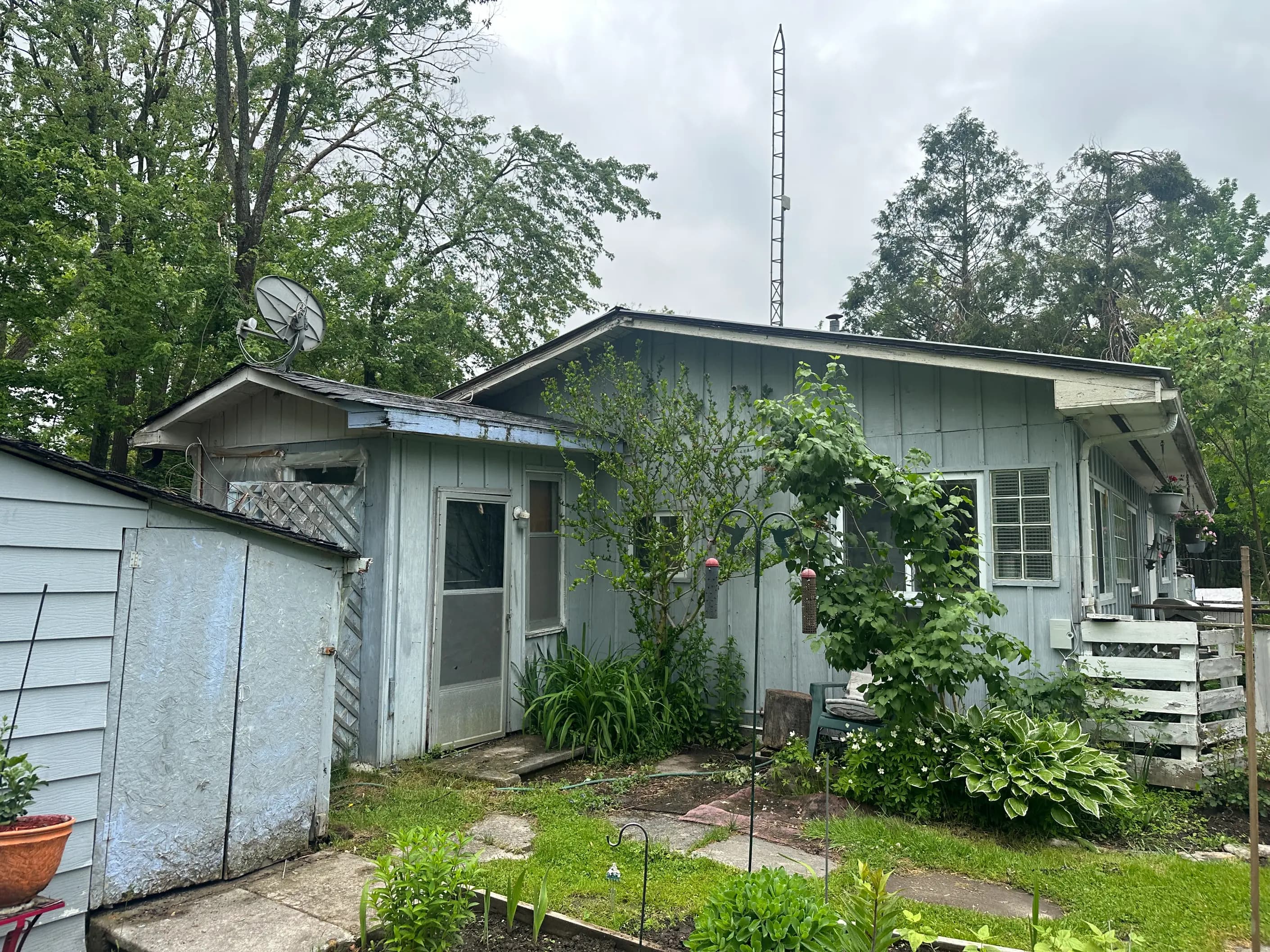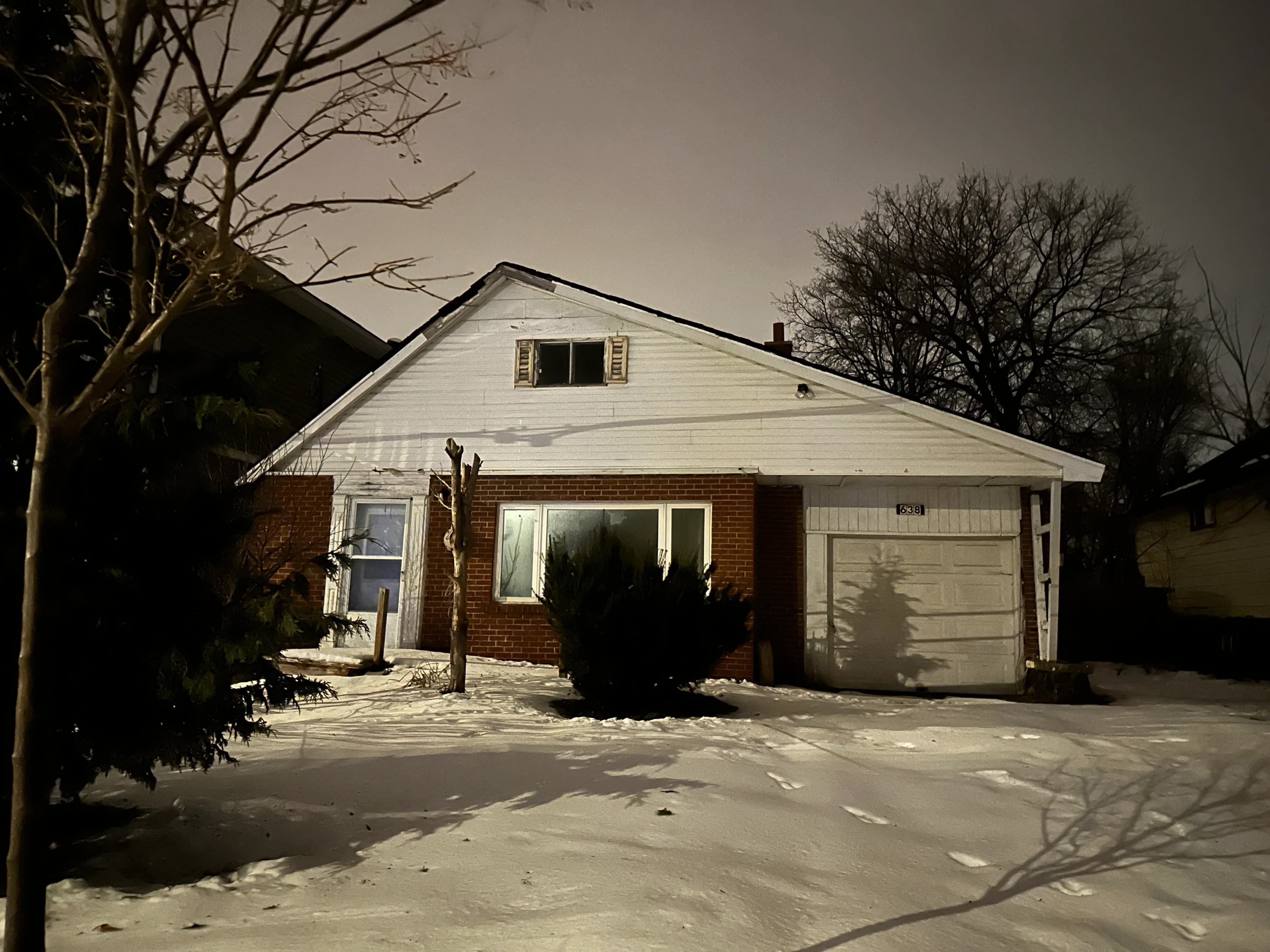
The Notice of Sale Under Mortgage landed today. Statutory 35-day redemption window starts running.
Most homeowners who get one have heard of the window from a friend, a neighbour, a podcast — somewhere. What they usually don't know is what the lender's actually doing during those 35 days, what the borrower can do, and what happens on day 36 if nothing's resolved.
This walks through the mechanics, the four real exit paths, and where a direct sale fits.
What the Notice of Sale actually says
The Notice of Sale Under Mortgage lives in the Mortgages Act, R.S.O. 1990, c. M.40, section 32. It's served by the lender's lawyer when the borrower's been in default long enough that the lender's prepared to enforce.
The notice itself is a standard-form document. It tells the borrower:
- The mortgage is in default
- The total amount owing (principal, accrued interest, the lender's enforcement costs)
- That the lender intends to sell the property unless the default's cured within 35 days
- The lender's lawyer's contact information
It gets served on the borrower and on every other registered party on title — other mortgagees, judgment creditors, lien holders. Each one of them is notified that the lender intends to sell.
What the 35-day window does (and doesn't)
The 35-day window is the borrower's statutory redemption period. During those 35 days, the borrower retains the right to "redeem" — pay out the mortgage in full, or (depending on the mortgage's terms) reinstate by paying just the arrears plus the lender's costs.
The window's a real pause, not a polite suggestion. The lender cannot complete a sale during it. They can list the property, take offers, even sign an agreement of purchase and sale, but they cannot close on any sale until the 35 days have elapsed and the borrower hasn't redeemed.
What the window does NOT do: stop other enforcement steps. The lender can still apply for an order for possession, can change the locks (with court authority), can pursue the borrower personally if the mortgage allows for a deficiency. The window protects the right to redeem. Nothing else.
What the lender is doing during the window
While the 35 days run, the lender's typically:
- Engaging a real estate brokerage (often one with court-experienced agents) to list the property
- Photographing and marketing
- Reviewing the borrower's payment history for any defences
- Getting the property appraised
- Watching for any communication from the borrower about reinstatement or payout
If the borrower goes silent, the lender assumes the path is sale. If the borrower communicates (even briefly), the lender often pauses listing momentum to see if a workout's possible.
The four real exit paths
During the redemption window, the borrower has four practical exits.
Pay the arrears, reinstate the mortgage. If the lender accepts reinstatement (depends on the mortgage terms — many do, especially on a first default), the file goes back to normal. Requires the cash to clear the arrears plus the lender's enforcement costs.
Pay out the mortgage in full. Refinance with another lender, draw from a HELOC or family, sell the property privately to a buyer who can close before day 35. Discharges the mortgage entirely.
Sell privately during the window. A direct cash sale closing in 7 to 15 days fits inside the 35-day window with comfortable margin. The closing lawyer pays out the mortgage from the proceeds, the lender's enforcement file closes, the borrower walks away with whatever equity remains. This is the file pattern our foreclosure/power-of-sale page is built around.
Negotiate a workout with the lender's hardship desk. Possible on some files. Forbearance agreements, payment plans, extended terms. Less common in 2026 than they were a decade ago, but not impossible.
What happens on day 36
If the window closes with no resolution, the lender is free to close on their sale. The lender's lawyer:
- Accepts the highest acceptable offer
- Closes on the agreement
- Pays out the mortgage, any registered charges, and enforcement costs from the proceeds
- Returns any surplus to the borrower (and to other charge-holders by priority)
If the proceeds don't cover what's owed, the lender may pursue the borrower personally for the deficiency, depending on the mortgage's terms. Ontario power-of-sale deficiencies are recoverable as a personal debt unless the mortgage was specifically non-recourse — which is rare on residential first mortgages.
The borrower's leverage drops sharply at this stage. The lender can still in theory accept a late payout, but they don't have to.
When a direct sale fits the file
A direct cash sale closing in 7 to 15 days fits inside the 35-day window with comfortable margin. Proceeds pay out the mortgage and discharge the registered lien. The borrower walks away with surplus equity (if any) and avoids the power-of-sale becoming part of their public record.
Our behind-on-mortgage page covers borrowers who haven't yet received a Notice of Sale, and the foreclosure/power-of-sale page covers the file once the notice has landed.
Earlier in the process the borrower reaches out, the more options stay on the table. By day 30 of the 35-day window, options narrow significantly. After day 35, leverage essentially disappears.
What this isn't
Not legal, financial, or insolvency advice. Specific files turn on specific facts — mortgage terms, equity position, borrower's ability to refinance, whether a Licensed Insolvency Trustee should be involved. Talk to a mortgage broker, a real estate lawyer, or a Licensed Insolvency Trustee before any irrevocable decision.
Getting a number
Notice of Sale landed and you want to know what a direct cash sale would look like inside the 35-day window? Submit the property and you'll have a written cash offer back within 24 hours. We close through a licensed Ontario real estate lawyer in 7 to 15 days, the mortgage gets paid out at closing, and the power-of-sale proceeding stops. The foreclosure/power-of-sale page covers the broader mechanics, and the Ontario hub covers every market we buy in.