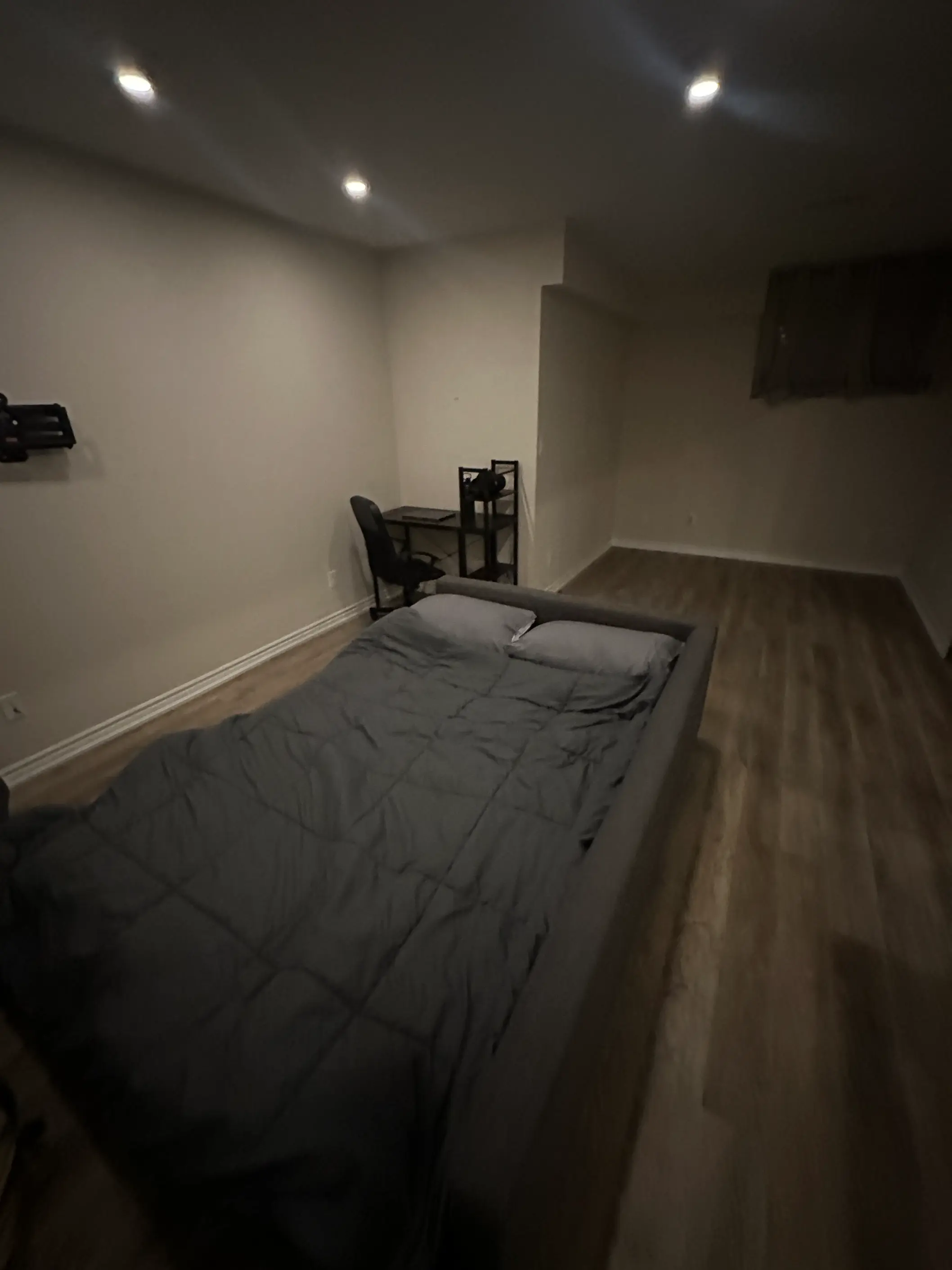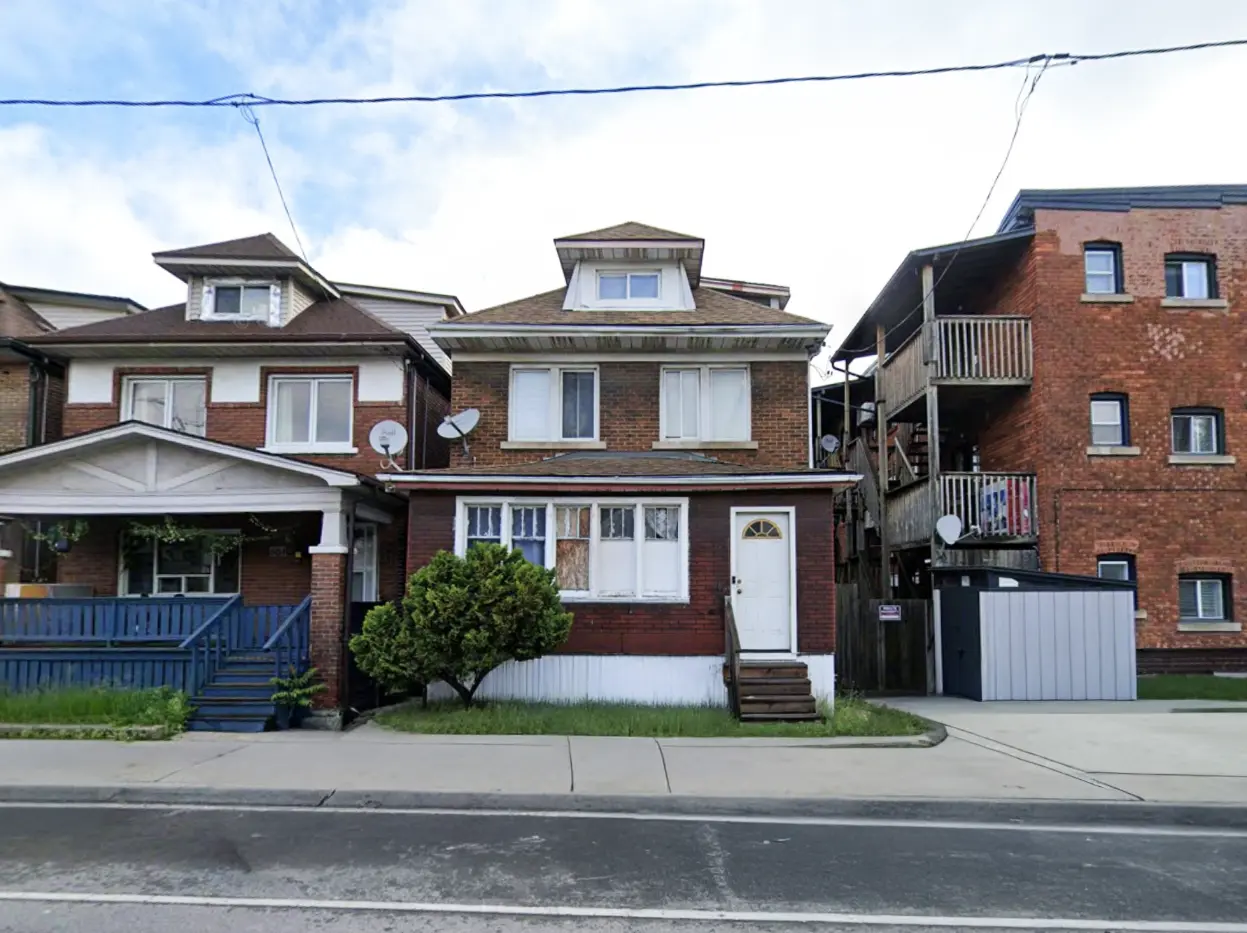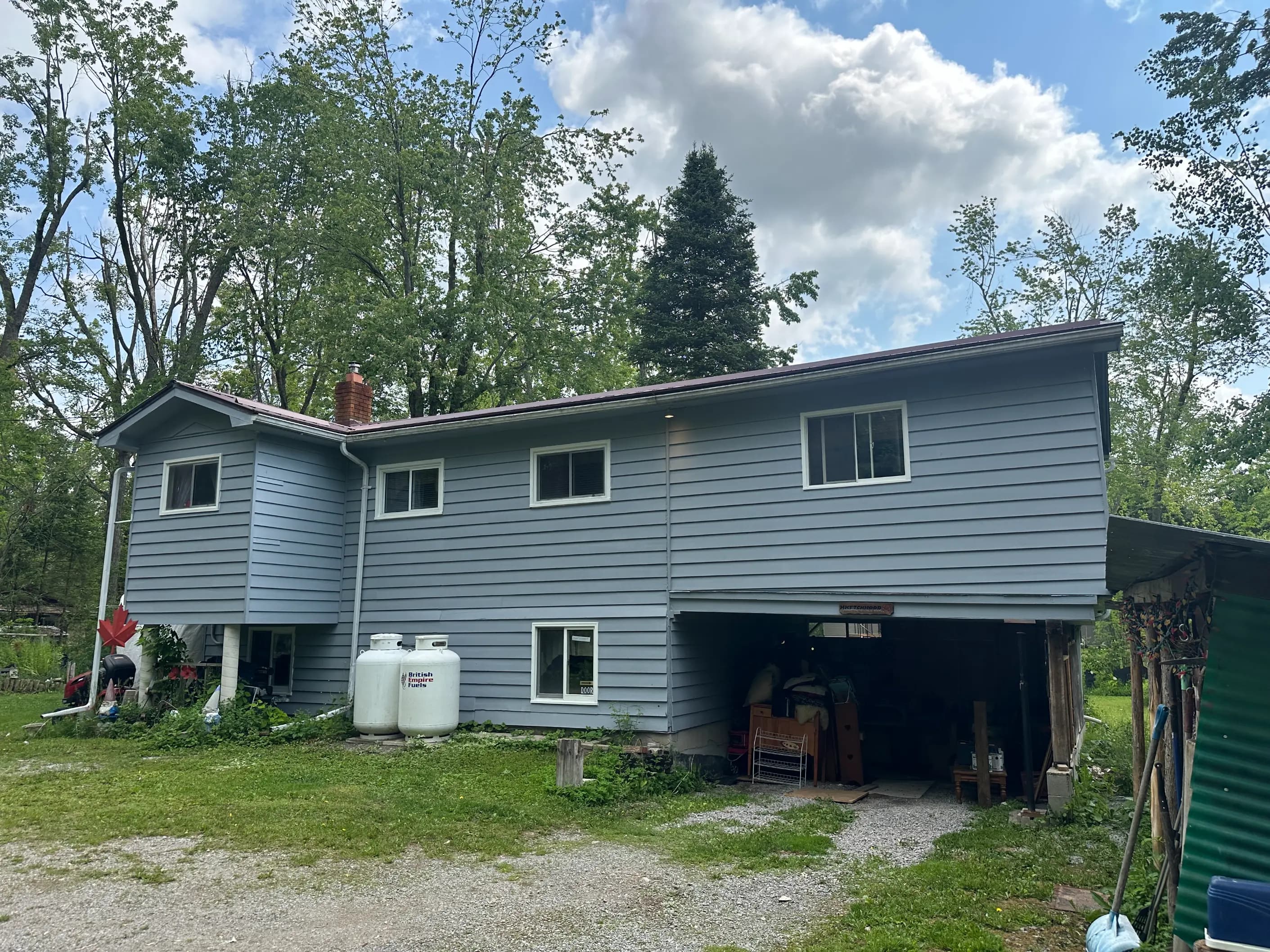
A small-portfolio landlord in southern Ontario has a unit in arrears. Three months behind. The tenant's stopped responding. The landlord wants out — sell the property and move on.
The fork they're facing: evict first and sell empty, sell with the tenant in place and assign the LTB file to the buyer, or sell to a cash buyer who absorbs the arrears file as part of closing. Each path has a cost. The N4 — the notice that starts a non-payment eviction in Ontario — is where the math begins.
What the N4 actually does
The N4 is the formal Notice to End a Tenancy Early for Non-payment of Rent. The form sits inside the Residential Tenancies Act, 2006, S.O. 2006, c. 17 — Ontario's tenancy code — and the landlord issues it directly to the tenant when rent is overdue.
It's not an eviction order. It's a notice. The landlord can't change locks, can't show up with a truck, can't put the tenant's belongings on the curb. The N4 starts a process that, if the tenant doesn't pay or move, eventually goes to the Landlord and Tenant Board for an actual order.
The notice gives the tenant 14 days from service to do one of two things: pay the full arrears, or vacate. That's the "cure period."
The 14-day cure window
If the tenant pays in full within 14 days, the N4 is void. The tenancy continues as if it hadn't been issued. Even if this is the third N4 in the same year. Some landlords find that frustrating. The legislation is what it is.
If the tenant doesn't pay and doesn't move, the landlord can then file an L1 application with the Landlord and Tenant Board. That's the document asking the LTB to issue an actual eviction order.
After the cure period — the L1 and LTB timeline
The L1 gets filed online with the LTB. Filing fee is a couple hundred dollars. A hearing date gets scheduled — and this is where time disappears.
LTB hearing delays in Ontario have been a persistent issue for several years. Through 2024 and 2025, L1 hearings often scheduled 4 to 9 months out from filing, sometimes longer. The delay's improved somewhat in 2026 but it's still routine to wait several months for a hearing date.
At the hearing the LTB hears the landlord, hears the tenant, and (if the arrears are unpaid) typically issues an eviction order. The order goes to the Sheriff for enforcement. Sheriff scheduling adds another 4 to 8 weeks.
End-to-end from N4 issuance to keys back: realistically 8 to 18 months on a contested non-payment file.
Selling while the eviction's running
You can sell at any point. The buyer takes the property subject to whatever tenancy posture exists at closing.
If LTB proceedings are mid-stream, the buyer inherits them. The arrears file, the hearing schedule, the eviction order — whichever stage it's at. Most retail buyers (first-time homeowners, families looking to occupy) don't want that. The buyer pool shrinks fast.
The buyers who can absorb a mid-stream LTB file are typically other landlords or cash investors familiar with the process. Our tired-landlord page covers how a direct sale handles a tenanted file.
The three paths landlords actually take
Evict first, sell empty. Maximum sale price, longest timeline. The eviction itself can take a year. Add showings and closing on top — easily 18 months from start to money-in-the-bank.
Sell tenanted, transfer the file. Faster. Smaller buyer pool. Lower sale price (commonly 10% to 20% under what an equivalent vacant unit fetches on MLS) but the months of carrying costs during eviction disappear.
Sell to a cash buyer who takes it as-is. 7 to 15 days to close, no LTB exposure for the seller after closing, lowest sticker price of the three. Often nets close to the second option once the carrying costs of the slower paths are honest.
For Toronto landlords specifically, our Toronto page covers the city-level dynamics on tenanted sales. Across the rest of the province, the Ontario hub covers every market.
For landlords also navigating capital gains on the disposition, our capital-gains-rental page covers the principal-residence exemption rules, CCA recapture on rental property, and the Vendor Take-Back option for spreading the gain.
What this isn't
Not legal, financial, or tenancy advice. N4 service, L1 applications, and LTB hearings turn on specific facts of the file — exact arrears amount, service method, prior notices, tenant defences. Talk to a paralegal or lawyer experienced with Ontario residential tenancy matters before filing anything.
Getting a number
If you're an Ontario landlord with a tenant in arrears and you'd rather not wait out the LTB queue, submit the property and you'll have a written cash offer back within 24 hours. We close as-is with the tenancy in whatever state it's in. Our tired-landlord page covers the tenanted-sale mechanics, and the Ontario hub covers every market we buy in.